CTP claims
CTP Claims in NSW: The Complete Guide
Who can claim, how to lodge, and what happens after — in plain English.
Last updated , 20 min read

A CTP claim is how you ask a vehicle's green slip insurer to cover the injury side of a NSW motor accident: medical treatment, rehabilitation and, where the scheme rules allow, income support while you can't work. It covers injuries to people, not damage to cars, and drivers, passengers, pedestrians, cyclists and motorcycle riders can generally claim. This guide follows a CTP personal injury claim from the first days after a crash to lodging the Application for Personal Injury Benefits, the time limits that apply, and what happens once the insurer has your file.
CTP Doctor is a medical clinic, not an insurer or a law firm. We look after the medical side of a claim — assessment, Certificates of Fitness and coordinated treatment — by telehealth across NSW, or in person. Everything here is general information about the scheme for accidents from 1 December 2017 onwards. Your insurer's letters and SIRA's current rules always come first, and if your situation turns on a legal question, an independent solicitor is the right person to ask.
On this page11 sections
The basics
What is CTP insurance? Injury cover, not car cover
CTP stands for compulsory third party insurance. Every registered vehicle in NSW has to carry it, which is why most people know it as the green slip. It has one job: covering people hurt in motor accidents. That means the driver, their passengers, and any pedestrian, cyclist or rider injured when a motor vehicle is involved. When someone is hurt, a CTP insurer handles the claim, not the driver personally — so you claim against an insurer even when the other driver is a neighbour or a relative.
Covered: injuries to people
Reasonable treatment, rehabilitation and, where the rules allow, income support for injuries the accident caused.
Not covered: your car
Repairs, write-offs, theft and your excess sit with comprehensive car insurance, and damage you cause to someone else's car sits with third-party property cover. Your green slip covers neither.
Your accident date sets the rules
Accidents from 1 December 2017 fall under the Motor Accident Injuries Act 2017. Older accidents can follow earlier legislation.
Work injuries are a separate scheme
Workers compensation has its own rules and insurer. If you were driving for work, both schemes may be relevant, so check each one.
So what does claiming actually involve? You tell the right insurer what happened, prove who you are, lodge the correct form, and give the insurer enough medical information to decide what it will approve. Behind that sits a scheme with two separate limbs: statutory benefits, which cover treatment and income support while you recover, and a damages claim that only some people can make. Our explainer on how motor accident compensation works in NSW sets out who decides what.
Go deeper

What Is CTP? What a NSW CTP Claim Covers (and What It Doesn't)
What CTP (the green slip) is and what it covers: injuries to people, not damage to cars. Who it protects in a NSW motor accident, and where to read the offi…
Learn more
Motor Accident Compensation in NSW: How It Works
How the NSW motor accident scheme is put together — statutory benefits, damages claims, who decides what, and where your medical record fits in.
Learn moreWho's covered
Who can claim CTP in NSW?
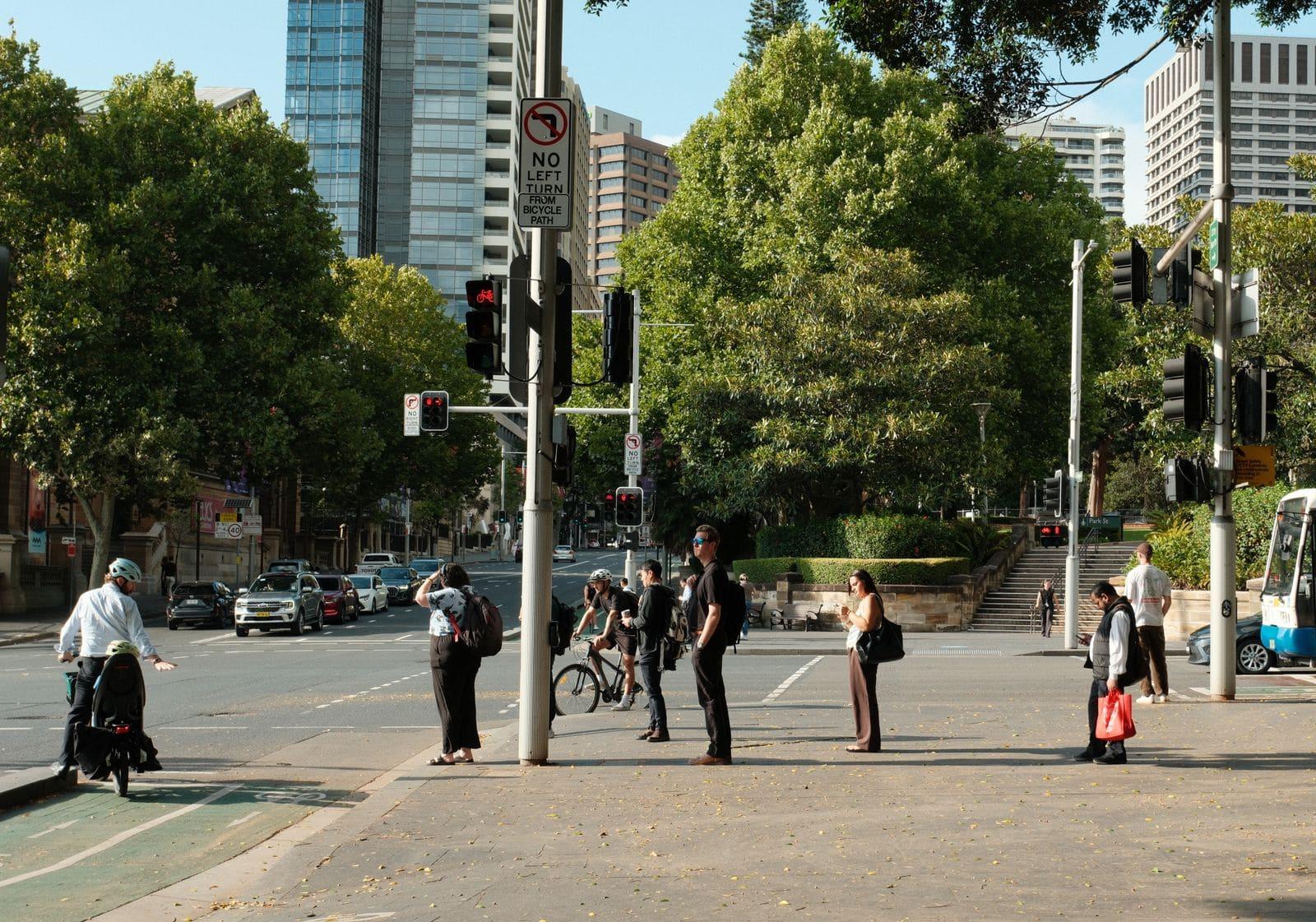
Cover follows the vehicle, not the person. If a registered motor vehicle caused or contributed to your injuries, you may be able to claim whether you were behind the wheel, in the back seat, on a bike or on foot. It doesn't have to happen on a main road, either: car parks, driveways and some private roads can count where a vehicle was being driven. Find your situation below, or browse everyone the scheme covers and the common accident scenarios.
- Injured drivers, including the driver who caused the crash — see claiming as the at-fault driver.
- Injured passengers. If a friend was driving, you claim against the insurer, not them: passenger in a friend's car.
- Pedestrians struck at a crossing, in a car park or by the roadside: pedestrian hit by a car.
- Cyclists. A bike carries no CTP, but the driver's green slip can still apply: cyclist hit by a car.
- Motorcycle riders and pillion passengers. Motorcycles carry their own CTP: motorcycle accidents in NSW.
- Rideshare and taxi drivers, and rideshare or taxi passengers. These are registered vehicles with CTP, like any car.
- E-scooter and e-bike riders. This area is less settled and depends on the device: e-scooter and e-bike accidents.
What if the crash was your fault? Being at fault doesn't automatically shut you out. The scheme was designed so that many injured people, including drivers who caused the accident, may still be able to get treatment and some income support, often for a defined early period. What fault changes is how long some benefits last, and whether a damages claim is ever open to you. The insurer decides whether you were 'mostly at fault' from the evidence, and at fault vs not at fault explains what shifts — and how a liability decision you disagree with can be reviewed.
Go deeper

Who Can Make a CTP Claim in NSW?
Drivers, passengers, pedestrians, cyclists, motorcyclists, and rideshare drivers injured in an NSW motor vehicle accident may access the CTP scheme.
Learn moreCTP Claim Scenarios
At-fault driver, uninsured or unidentified vehicle, pre-existing condition, multiple-vehicle, and dependency claims — how CTP medical care works in each NSW scenario.
Learn more
At Fault vs Not at Fault — What Changes Under MAIA
Fault does not always block treatment, but it changes how long statutory benefits can run and whether common law damages might be available. Plain-language…
Learn moreStraight after the crash
The first days after a car accident: what to do
A crash scrambles your thinking, and adrenaline can hide pain for hours. You don't need to get everything perfect in the first couple of days. A handful of simple steps protects your health and lays the groundwork for the claim, and each of them is much harder to do well a few weeks later.
Call 000 straight away if…
Anyone has lost consciousness, is bleeding heavily, is struggling to breathe, can't move a limb, or may have hurt their spine. The same applies later: if symptoms appear or get worse in the days after the crash, such as a headache that won't settle, spreading numbness, dizziness or trouble breathing, call 000 or go to your nearest emergency department rather than waiting for an appointment. For police attendance when it isn't an emergency, call the Police Assistance Line on 131 444.
- Make the scene safe: hazard lights on, and if the cars can't be moved, stay buckled in rather than standing on the road, unless the car itself isn't safe.
- Swap names, phone numbers, licence details and registration plates with every driver, and get witnesses' details before they leave.
- Photograph the scene, the vehicles and any visible injuries, but only when it's safe to do so.
- Report to police if anyone was hurt, a driver left the scene or a car was towed. Keep the event number.
- Write down what happened and any symptoms while it's fresh, and keep the accident off social media.
Then see a doctor as soon as you can, ideally within a day or two, even if you feel fine. It's the step people skip most. An early check can pick up injuries sooner and creates a dated record linking your symptoms to the crash, which the rest of the claim leans on. Pain that appears days later is common, especially after a rear-end collision, and our guide to car accident injuries and delayed symptoms covers what to watch for. For the full order of operations, read what to do first after a car accident.
Go deeper
The First 48 Hours After a Car Accident in NSW
A practical run-through of what to do in the first two days after a motor vehicle accident in NSW, from the scene to your first medical check.
Learn more
CTP claim checklist: first 30 days
A practical checklist for the first 30 days after a NSW car accident — medical care, documentation, time limits, and lodging your CTP claim.
Learn moreInjured in a Car Accident? What to Do First (NSW)
Safety, police, doctor — a practical order of operations after an MVA.
Learn moreHaven't lodged yet?
Work out your first step
A few questions about where you're up to, and we'll point you to the right next move — assessment, paperwork, or a call.
Lodging your claim
How to make a CTP claim in NSW, step by step
Most claims start the same way, and you don't need every document in hand before you begin. You don't need a claim number to see a doctor either — the medical assessment can start while you sort out the paperwork. If you're not sure where you're up to, our short 'where do I start?' checker points you to the right first step. Otherwise, this is the usual order.
Report the accident
If police reporting is required, report online or at a station and keep the event number. The claim form asks for it.
See a doctor for your first certificate
The first Certificate of Fitness must be completed by a medical practitioner. It records your injuries, your capacity for work and a treatment plan, and becomes the baseline for everything after it.
Find the right CTP insurer
It's usually the insurer of the vehicle that caused the accident, but fault and whether that vehicle is identified both matter. CTP Assist (1300 656 919), SIRA and Service NSW can help you work out which one.
Tell the insurer early
Get in touch as soon as you can, even with gaps in your paperwork. An early notification opens your file and can get early treatment moving.
Fill in the Application for Personal Injury Benefits
Download the current edition from SIRA. It asks about you, the accident, your injuries and your work. Describe each injury specifically and don't leave sections blank.
Attach what you have and lodge it
Commonly: proof of identity, the police event number, early medical records, imaging reports and your first certificate. Many insurers accept online lodgement. Keep a copy of everything you send.
Keep your certificates current
Treatment approvals and income support usually depend on an up-to-date certificate. Book the next review before the current one runs out.
The Application for Personal Injury Benefits is the document people mean when they talk about the personal injury claim form. Our walk-through of how to fill in the Application for Personal Injury Benefits goes through it section by section, and official CTP forms and where to download them covers the certificate and other paperwork. Always take a fresh copy from SIRA's motor accidents pages rather than an old PDF you found in a search.
Why forms get sent back
The usual culprits are a missing signature on the declaration, the wrong insurer, whole sections left blank, or an out-of-date edition of the form. If a question doesn't apply to you, write 'not applicable' instead of skipping it, and double-check dates and registration numbers before you sign.
Go deeper

How to Claim CTP in NSW: Step-by-Step Checklist
After a crash: safety, police, insurer, early treatment, then the Application for Personal Injury Benefits and Certificates of Fitness. Deadlines matter — v…
Learn moreApplication for Personal Injury Benefits (NSW): How to Fill In the CTP Claim Form
The Application for Personal Injury Benefits is the NSW CTP claim form: when you need it, what goes in it, what to attach, and how it fits with early treatm…
Learn moreCTP Forms & Official Downloads (NSW)
Where to get the Application for Personal Injury Benefits, Certificate of Fitness, and other SIRA motor accident forms — always use the current PDF.
Learn moreTime limits
Time limits for claiming CTP: why acting early matters
The scheme has time limits at several points, and the ones for claiming run from the date of the accident — not from when you first saw a doctor or first spoke to an insurer. Put that date somewhere you'll see it. If you're reading this weeks or months after a crash, don't decide on your own that it's too late. Check where you actually stand first.
The 28-day window
Serve your claim within 28 days of the accident and benefits can be backdated to the accident date. Lodging later doesn't necessarily stop you claiming, but it can change how far back benefits go, particularly weekly payments. Three months from the accident is a common reference point for claiming statutory benefits, and there are limited ways to lodge late. No summary, including this one, should decide your dates: confirm them with SIRA or a solicitor.
Lodging the claim
Aim for 28 days. Lodging after that may still be possible, but backdating and weekly payments can be affected.
Reviews and disputes
A decision letter usually starts its own clock for asking for a review. That limit is separate from lodgement and can be shorter than you'd expect.
Children and special cases
Claims for children, and claims involving a hit-and-run or uninsured vehicle, can have their own time rules. Get advice early.
Certificates
Not a legal deadline, but a lapsed Certificate of Fitness is a common reason treatment or payments stall.
Not sure where you stand? The Am I too late to claim? checker asks four quick questions about your dates and where things are up to, then points you to a sensible next step. For how each deadline fits around the stages of a claim, see the general timeline of a NSW claim.

Worried it's too late?
Check the time limits for your situation
The NSW scheme has time frames at several points. Tell us when the accident was and what's happened since, and we'll explain what still applies.
After lodging
The CTP claim process: what happens after you lodge
Lodging starts a process rather than ending one. The early weeks are mostly paperwork — the insurer processes the form, requests records and hands your file to a case manager — and that quiet stretch is normal, not a sign something has gone wrong. Every claim moves at its own pace, and the letters the insurer sends you always take priority over any general description, including this one.
Acknowledgement
The insurer should confirm it has your application, usually within a few business days. Quote your claim number on everything from then on.
A case manager is assigned
This person is your main contact for the life of the claim. Save their name and details, and ask for a direct line if you keep landing in a queue.
The insurer gathers evidence
Expect requests for medical records, certificates and, if you're claiming weekly payments, payslips or tax returns. Signing authority forms lets the insurer ask hospitals and employers directly.
Early treatment carries on
A limited amount of treatment can often go ahead while the claim is assessed. Keep attending appointments and keep your certificate current so the record has no gaps.
Liability and other decisions
The insurer decides whether it accepts liability, which can take weeks to a few months. Decisions about injury classification or work capacity may follow as the claim develops.
Reviews as you recover
From here it runs in a cycle: treatment, renewed certificates, treatment requests and periodic reviews, until your injuries settle or the claim is resolved.
If the insurer books an independent medical examination
An IME is a consultation with a doctor the insurer chooses, not your treating team. You generally need to attend or your benefits may be suspended, you can usually bring a support person, and you can ask for a copy of the report. A consistent treating record is the best preparation. Read what to expect at an IME before you go.
Go deeper

CTP Claim Process: What Usually Happens Next
From notification to treatment approvals, reviews, and disputes — a realistic timeline for NSW CTP claims under MAIA, without pretending every file is the s…
Learn moreWhat happens after you lodge a CTP claim
A plain-English walkthrough of what happens after you lodge a CTP claim — acknowledgement, your case manager, evidence requests, and early treatment.
Learn moreCTP claim timeline (NSW)
A general timeline of a NSW CTP claim — from the accident through early treatment, lodgement, certificates, and ongoing review points.
Learn moreWorking with the insurer
Dealing with your CTP insurer and case manager

Most of your claim runs through one relationship: you and your case manager. They review the evidence, approve or query treatment requests, arrange payments and explain decisions. They aren't your doctor, though, so a case manager's comment about your injury is an administrative view rather than a clinical one. You can't swap insurers for the same accident either — the right insurer is set by law. What you control is clear communication and a clean record.
- Put anything that matters in writing — requests, decisions, deadlines — and ask for phone updates to be confirmed by email.
- Quote your claim number on every email, form and letter.
- Keep a simple log of calls and emails: the date, who you spoke to, and what was agreed.
- Ask for a specific next step and a date, rather than accepting 'soon'.
- If requests go unanswered, ask in writing for an update, then for a team leader. CTP Assist can help when communication breaks down.
- When your case manager changes, send the new one a short written summary of where things stand.
When the insurer asks you questions, stick to what you actually know. Describe the accident and your symptoms plainly, without playing anything up or down, and say 'I don't know' rather than guessing at speeds, distances or dates. Good days and bad days are both part of an honest picture. Questions about your diagnosis or how long recovery will take belong with your treating doctor. Our general tips on what to say, and not say, to the insurer go further.
Go deeper
Dealing with your CTP insurer and case manager
Practical ways to communicate with your CTP insurer and case manager — what to put in writing, how to follow up, and when to escalate.
Learn moreWhat to Say (and Not Say) to the Insurer: General Tips
General, practical tips for talking to your CTP insurer — stick to facts, keep your own records, and ask for things in writing.
Learn moreLess common claims
CTP claims in special situations: self-employed, hit-and-run and more
If you're self-employed or earn through gig platforms like rideshare or food delivery, the scheme is the same, but proving your income takes more than a payslip. Pull together recent tax returns and notices of assessment, BAS statements if you're registered for GST, bank statements, platform earnings summaries, and invoices or a letter from your accountant. A certificate that spells out your limits in practical terms — hours, tasks, what you can lift or drive — helps when there's no employer offering lighter duties. The guide for self-employed and gig workers covers it in full.
Several vehicles involved
Working out who was responsible in a pile-up can take time, but it shouldn't hold up your assessment. See multiple-vehicle accidents.
Hit-and-run or uninsured car
A separate pathway, often through the Nominal Defendant, which can have its own reporting steps and time frames. See uninsured or unidentified vehicles.
An old injury made worse
A crash that aggravates an existing back or neck problem can still be part of a claim, and before-and-after records matter. See pre-existing conditions.
Learner or P-plate driver
The scheme generally follows the registered vehicle, not your licence stage, though supervision or licence conditions can be relevant. See learner and P-plate accidents.
- A child injured in a car accident may be able to claim, usually with a parent or guardian managing it. Time limits can work differently, so get advice early.
- After an accident while pregnant, get assessed promptly even if the crash seemed minor, and involve your obstetric care provider too.
- When someone has died, the scheme has provisions for families and dependants. Fatality and dependency claims sets out, with care, where to begin.
Go deeper

CTP claims for self-employed and gig workers
How CTP claims work differently for self-employed people and gig workers — proving income, documenting capacity, and evidence to gather early.
Learn more
Injured by an Uninsured or Unidentified Vehicle
Injured by an uninsured or unidentified vehicle in NSW? Telehealth CTP assessment, documentation and coordinated care, with general guidance on options.
Learn moreInjured in a Multiple-Vehicle Accident
Injured in a multi-vehicle NSW accident? Telehealth CTP assessment, documentation and coordinated care, with general guidance on accessing medical care.
Learn moreThe medical side
Where your doctor fits: medical evidence and the Certificate of Fitness

Most decisions in a claim are made from the paperwork, often by people who never meet you. That makes your medical record the backbone of the claim: what was found, what was diagnosed, what you can and can't do, and how that has changed over time. A specific, consistent record lets a decision be made cleanly, whichever way it goes. Gaps, one-line certificates and missed reviews tend to invite more questions and more waiting.
The first certificate
Your first Certificate of Fitness must come from a medical practitioner. Later ones can sometimes come from a treating physio or psychologist.
Certificates that describe you
A useful certificate lists specific restrictions and a review date, not just 'unfit', so the insurer and your employer work from the same picture.
One doctor coordinating
Physiotherapy, psychology and exercise physiology can be coordinated through one doctor, so the treatment plan and the file tell the same story.
Asked for a certificate or report?
If the insurer, your employer or a solicitor has asked for something, the medical request checker shows which appointment you need.
That medical side is what CTP Doctor looks after. We assess motor accident injuries, complete and renew Certificates of Fitness, and coordinate the rest of your care, by telehealth across NSW, or in person. For a motor accident injury, that care is generally accessed through the CTP scheme, not paid by you directly. Our guide to CTP treatment, from the first appointment to physio and psychology explains how it works in practice.
Go deeper

CTP Treatment in NSW: Doctors, Physio, Psychology & Exercise Physiology
Seeing a CTP doctor after a NSW car accident: your first appointment, the Certificate of Fitness, physio, psychology and exercise physiology, by telehealth or in person.
Learn moreAn insurer or employer wants a medical or certificate
Been asked for a Certificate of Fitness, a report or a medical after a NSW motor accident? Four questions and we'll show you the next step.
Learn moreBenefits and disputes
What you can claim, and what to do if the insurer says no
A lodged claim is the route to statutory benefits: reasonable and necessary treatment, and income support where you can't work, all within rules that depend on whether you were mostly at fault and how your injury is classified. Some people can also bring a separate damages claim, but only where the scheme's thresholds are met, and that's a legal question rather than a medical one. Our guide to CTP benefits in NSW explains each kind of support and what it depends on.
Read the decision letter
A 'denial' can mean liability refused, treatment declined, an injury classed as minor, or payments stopped. The reason shapes your next move. If you only got a phone call, ask for it in writing.
Note the review deadline
Decision letters usually come with a window for asking for a review. Missing it can close off an option, so act on the date promptly.
Ask for an internal review
Many disputes start inside the insurer. Reviews tend to turn on the medical evidence, such as an updated certificate or a clearer treating report.
Take it further if you need to
If review doesn't fix it, many disputes go to the Personal Injury Commission, which has its own forms, processes and time limits.
Legal help, when you want it
CTP Doctor is a medical service, not a law firm, and we don't give legal advice. If your claim is denied, disputed or heading towards damages, we can introduce you to an independent solicitor. There are no referral fees and no arrangement between us, the choice is always yours, and you're welcome to bring your own. Our guide to legal help and CTP disputes explains when advice is worth getting.
Go deeper
CTP Benefits in NSW: What You Can Claim
The kinds of support the NSW CTP scheme provides after a car accident: treatment and care, weekly payments, the minor-injury line, returning to work, impairment and damages claims.
Learn more
CTP Lawyers & Claim Disputes in NSW: When to Get Legal Help
When a NSW CTP claim is denied, payments stop or a decision is disputed: internal review, the Personal Injury Commission, and when an independent solicitor can help.
Learn moreFrequently asked questions
CTP Doctor is a medical service, not a law firm, and doesn't give legal advice. General information only — for the scheme rules see SIRA or seek legal advice.
Related topics
CTP treatment
One doctor to assess you, certify you and coordinate the rest of your care.
Read the guide
Car accident injuries
What's common, what can show up days later, and when to get checked.
Read the guideCTP benefits
The kinds of support the scheme provides, and what they depend on.
Read the guideLegal help & disputes
When the claim gets difficult — and how to get independent legal advice.
Read the guideEverything in this topic
Guides and articles
15 pages- What Is CTP? What a NSW CTP Claim Covers (and What It Doesn't)What CTP (the green slip) is and what it covers: injuries to people, not damage to cars. Who it protects in a NSW motor accident, and where to read the offi…
- How to Claim CTP in NSW: Step-by-Step ChecklistAfter a crash: safety, police, insurer, early treatment, then the Application for Personal Injury Benefits and Certificates of Fitness. Deadlines matter — v…
- Application for Personal Injury Benefits (NSW): How to Fill In the CTP Claim FormThe Application for Personal Injury Benefits is the NSW CTP claim form: when you need it, what goes in it, what to attach, and how it fits with early treatm…
- CTP Forms & Official Downloads (NSW)Where to get the Application for Personal Injury Benefits, Certificate of Fitness, and other SIRA motor accident forms — always use the current PDF.
- CTP Claim Process: What Usually Happens NextFrom notification to treatment approvals, reviews, and disputes — a realistic timeline for NSW CTP claims under MAIA, without pretending every file is the s…
- What happens after you lodge a CTP claimA plain-English walkthrough of what happens after you lodge a CTP claim — acknowledgement, your case manager, evidence requests, and early treatment.
- CTP claim timeline (NSW)A general timeline of a NSW CTP claim — from the accident through early treatment, lodgement, certificates, and ongoing review points.
- CTP claim checklist: first 30 daysA practical checklist for the first 30 days after a NSW car accident — medical care, documentation, time limits, and lodging your CTP claim.
- Dealing with your CTP insurer and case managerPractical ways to communicate with your CTP insurer and case manager — what to put in writing, how to follow up, and when to escalate.
- Motor Accident Compensation in NSW: How It WorksHow the NSW motor accident scheme is put together — statutory benefits, damages claims, who decides what, and where your medical record fits in.
- CTP claims for self-employed and gig workersHow CTP claims work differently for self-employed people and gig workers — proving income, documenting capacity, and evidence to gather early.
- At Fault vs Not at Fault — What Changes Under MAIAFault does not always block treatment, but it changes how long statutory benefits can run and whether common law damages might be available. Plain-language…
- Injured in a Car Accident? What to Do First (NSW)Safety, police, doctor — a practical order of operations after an MVA.
- The First 48 Hours After a Car Accident in NSWA practical run-through of what to do in the first two days after a motor vehicle accident in NSW, from the scene to your first medical check.
- What to Say (and Not Say) to the Insurer: General TipsGeneral, practical tips for talking to your CTP insurer — stick to facts, keep your own records, and ask for things in writing.
Who can claim
7 pages- Who Can Make a CTP Claim in NSW?Drivers, passengers, pedestrians, cyclists, motorcyclists, and rideshare drivers injured in an NSW motor vehicle accident may access the CTP scheme.
- Injured as a Driver in a Motor Vehicle AccidentInjured as a driver in a NSW car accident? Telehealth CTP assessment, documentation and coordinated treatment, with general guidance on accessing care.
- Injured as a Passenger in a Motor Vehicle AccidentInjured as a passenger in a NSW car accident? Telehealth CTP assessment, documentation and coordinated treatment, with general guidance on accessing care.
- Injured as a Pedestrian by a Motor VehicleHit by a vehicle as a pedestrian in NSW? Telehealth CTP assessment, documentation and coordinated treatment, with general guidance on accessing care.
- Injured as a Cyclist by a Motor VehicleCyclist injured by a vehicle in NSW? Telehealth CTP assessment, documentation and coordinated treatment, with general guidance on accessing care.
- Injured as a Motorcyclist in a Motor Vehicle AccidentMotorcyclist injured in a NSW accident? Telehealth CTP assessment, documentation and coordinated treatment, with general guidance on accessing care.
- Injured as a Rideshare or Taxi DriverRideshare or taxi driver injured while working in NSW? Telehealth CTP assessment, documentation and coordinated treatment, with general guidance on care.
Accident scenarios
16 pages- CTP Claim ScenariosAt-fault driver, uninsured or unidentified vehicle, pre-existing condition, multiple-vehicle, and dependency claims — how CTP medical care works in each NSW scenario.
- Being the At-Fault Driver in a Motor Vehicle AccidentAt-fault in a NSW car accident? Telehealth CTP assessment, documentation and coordinated treatment, with general guidance on accessing medical care.
- Injured as a Passenger in a Friend's CarInjured as a passenger in a friend's car in NSW? Telehealth or in-person CTP assessment, documentation and coordinated care, with general guidance on your c…
- Injured as a Passenger in a Rideshare or TaxiInjured as a passenger in an Uber, rideshare or taxi accident in NSW? Telehealth or in-person CTP assessment, documentation and coordinated care, with guida…
- Injured as a Pedestrian Hit by a CarInjured as a pedestrian hit by a car in NSW? Telehealth or in-person CTP assessment, documentation and coordinated care, with general guidance on your claim…
- Injured as a Cyclist Hit by a CarInjured as a cyclist hit by a car in NSW? Telehealth or in-person CTP assessment, documentation and coordinated care, with general guidance on your claim op…
- Injured in a Motorcycle AccidentInjured in a motorcycle accident in NSW? Telehealth or in-person CTP assessment, documentation and coordinated care, with general guidance on your claim.
- Injured in an E-Scooter or E-Bike AccidentInjured in an e-scooter or e-bike accident in NSW? Telehealth or in-person CTP assessment, documentation and coordinated care, with general guidance on your…
- Injured in a Rear-End CollisionInjured in a rear-end collision in NSW? Telehealth or in-person CTP assessment, documentation and coordinated care, with general guidance on your claim.
- Injured in a Multiple-Vehicle AccidentInjured in a multi-vehicle NSW accident? Telehealth CTP assessment, documentation and coordinated care, with general guidance on accessing medical care.
- Injured by an Uninsured or Unidentified VehicleInjured by an uninsured or unidentified vehicle in NSW? Telehealth CTP assessment, documentation and coordinated care, with general guidance on options.
- When a Car Accident Aggravates a Pre-Existing ConditionCrash made a pre-existing condition worse in NSW? Telehealth CTP assessment, documentation and coordinated care, with general guidance on accessing care.
- When a Child Is Injured in a Car AccidentChild injured in a NSW car accident? General guidance on CTP claims for children, with telehealth or in-person medical assessment and support.
- Involved in a Car Accident While PregnantInjured in a car accident while pregnant in NSW? Telehealth or in-person CTP assessment, documentation and coordinated care, with sensitive general guidance…
- Involved in an Accident on a Learner or P-Plate LicenceLearner or P-plate driver involved in a NSW car accident? Telehealth or in-person CTP assessment, documentation and coordinated care, with general guidance.
- When a Motor Vehicle Accident Results in a DeathLost a loved one in a NSW motor vehicle accident? General guidance on dependency support under the CTP scheme, with sensitivity and respect.
Checkers
3 pages- Check if You Need a CTP DoctorAnswer a few quick questions about your NSW car accident and we'll point you to the right next step. No obligation — telehealth or in person, and we handle the paperwork.
- Am I too late to claim?Worried you've left a NSW CTP claim too long? Four questions about your dates, and a clear next step — plus where to check the official rules.
- An insurer or employer wants a medical or certificateBeen asked for a Certificate of Fitness, a report or a medical after a NSW motor accident? Four questions and we'll show you the next step.

Next step
The sooner you're assessed, the clearer your file.
In NSW, a claim served within 28 days of the accident can have benefits backdated to the accident date.