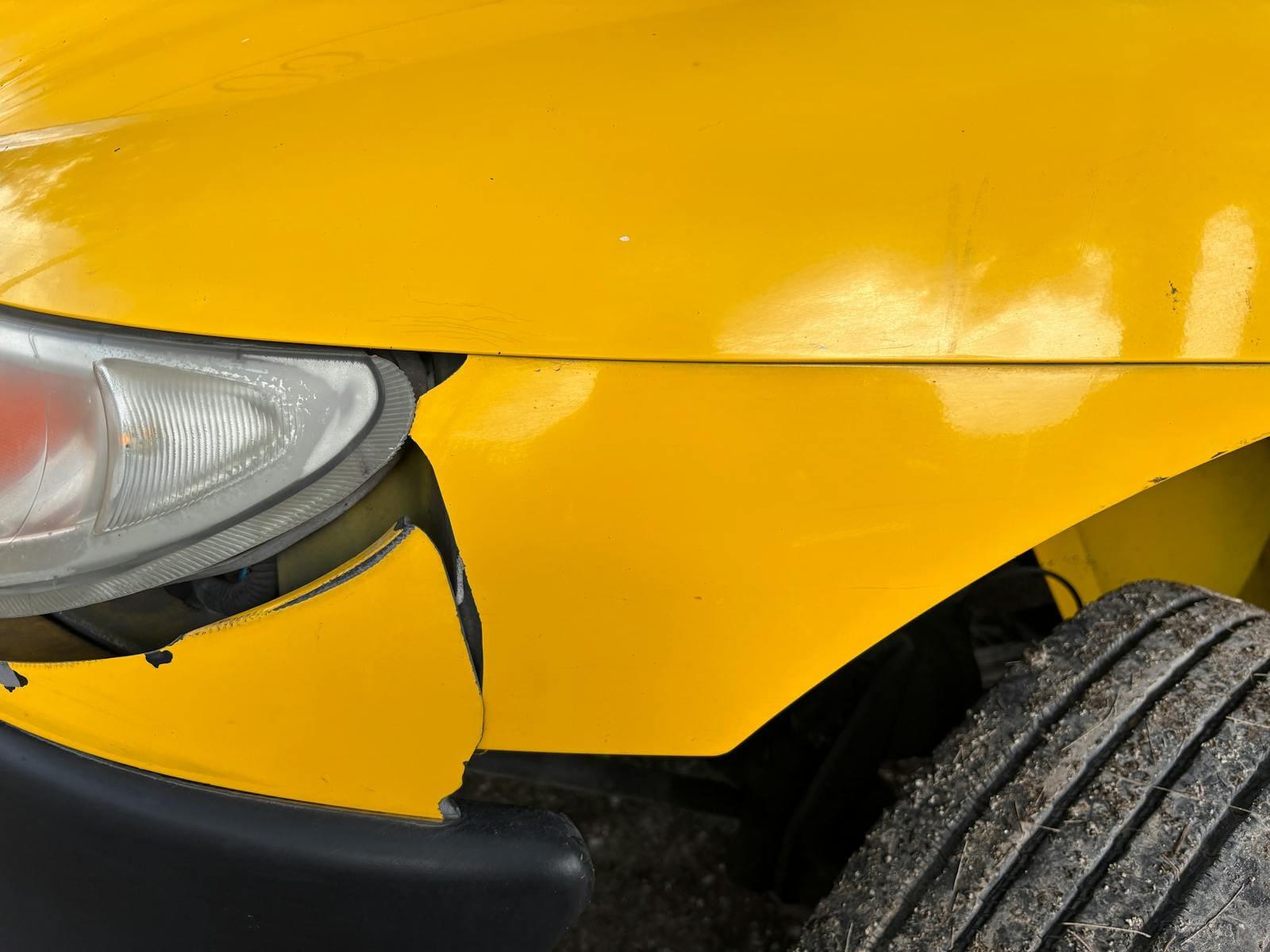
The first two days after a car accident set the tone for everything that follows — your recovery, your medical record, and if you end up making a CTP claim, the strength of your documentation. It's also the window when people are most likely to skip steps because they're tired, sore, or just want the whole thing to be over. Here's a practical rundown of what matters in those first 48 hours.
At the scene
Once everyone is safe, exchange names, phone numbers, licence details, and registration plates with the other driver or drivers involved. If there are witnesses, ask for their contact details too — they're often gone within minutes and hard to trace later. Take photos of vehicle damage, the road, any relevant signage, and the general layout of the scene while it's all still there in front of you.
In NSW, you need to report the accident to police if anyone was injured, if a driver left the scene, or if a vehicle had to be towed. You can do this online through the NSW Police website or in person at a station. Keep the event number somewhere safe — you'll likely need it later.
Try to take your photos before vehicles are moved or towed, and aim for a mix of wide shots showing the overall scene and close-ups of specific damage. It's easy to think you'll remember the details, but a phone full of timestamped photos is far more reliable than memory once a few weeks have passed.
Get checked even if you feel okay
This is the step people most often skip, usually because adrenaline is masking pain and everyone feels fine standing at the roadside. Injuries like whiplash, concussion, and disc irritation frequently don't announce themselves until the next day. A medical assessment within the first day or two picks up problems early and creates a dated record connecting your symptoms to the crash — something that matters if you make a CTP claim down the track.
If anyone has lost consciousness, is bleeding heavily, struggling to breathe, or shows any sign of a spinal injury, that's a 000 call, not a wait-and-see.
What to write down while it's fresh
- The date, time, and location of the accident
- What you remember about how it happened, in your own words
- Any symptoms you notice, even minor ones, and roughly when they started
- Names and contact details of anyone involved or who witnessed it
- The police event number, if one was issued
- Any vehicle repairer or tow truck details
Notifying your CTP insurer
If you've been injured, it's worth starting the CTP process early rather than leaving it. There are time limits that apply, and a claim served within 28 days of the accident can have benefits backdated — starting the paperwork sooner rather than later generally works in your favour. If you're unsure which insurer to contact or how the process works for your situation, SIRA's website has current guidance.
Rest, but stay engaged
It's tempting to just lie low for a couple of days and see how things feel. A short period of rest is reasonable, but don't let it turn into avoidance. Keep track of your symptoms, follow any advice from your medical assessment, and if new or worsening symptoms appear — a headache that won't shift, growing numbness, mood changes — get back in to see someone rather than waiting for a scheduled follow-up.
Avoid posting details about the accident or your recovery on social media in these early days. Even an offhand comment can be taken out of context later, and it's simpler to just keep the details between you and the people who need them.
It's also worth pacing yourself with everyday activities rather than pushing straight back into your normal routine or, at the other extreme, avoiding all movement out of caution. Gentle, guided activity is generally more helpful for soft-tissue injuries than complete rest, which is another reason a proper assessment early on is useful — it gives you a clear, individual starting point rather than a generic rule to follow.
Where CTP Doctor fits in
CTP Doctor is set up for exactly this window. We provide a thorough medical assessment, document what's found in a way that supports your CTP file, and refer you on to physiotherapy, psychology, or exercise physiology if that's clinically indicated. Appointments run by telehealth across NSW or in person where that's the more appropriate option, so getting assessed quickly doesn't depend on finding a car or a park near a clinic.

Been in an accident?
Book an appointment with one of our CTP doctors. We coordinate your care and handle the paperwork.
Official detail: SIRA motor accidents. CTP Assist: 1300 656 919.
FAQs
Talk to a CTP doctor
Book or get a call back
- Telehealth across NSW, or in person
- Certificate of Fitness issued or updated
- No claim number needed
Prefer a call back?