Legal help & disputes
CTP Lawyers & Claim Disputes in NSW: When to Get Legal Help
When the claim gets difficult — and how to get independent legal advice.
Last updated , 19 min read

A CTP lawyer is a solicitor who handles NSW motor accident (compulsory third party) claims, and the time to talk to one is usually when your claim turns into a dispute: liability is denied, treatment is refused, weekly payments stop, your injury is classified as minor, or a damages claim may be open. Plenty of straightforward claims run without a lawyer at all. This guide explains when legal help tends to matter, how internal review and the Personal Injury Commission work, and what you can do this week to protect your position.
CTP Doctor is a medical service, not a law firm, and doesn't give legal advice. Our part is the medical record that reviews and disputes turn on: clear diagnoses, current Certificates of Fitness and coordinated treatment, by telehealth across NSW, or in person. If you'd like, we can introduce you to an independent motor accident solicitor. No referral fees, no arrangement between us — the choice is yours. Everything here is general information. SIRA publishes the scheme rules, and advice about your own claim belongs with a solicitor.
On this page11 sections
The first question
Do you need a CTP lawyer?
Not always. If the other driver was clearly at fault, the insurer has accepted liability, and your treatment and time off work are being paid, many people get through a claim without a solicitor. When a decision goes against you, or your injuries are serious, getting advice early can change how things play out. Our guide to whether you need a lawyer for your CTP claim walks through both sides in more detail.
Probably not yet
Liability is accepted, your injuries are settling, your certificates are clear and consistent, and no letter has disputed your injury, your treatment or your capacity for work. Keep every letter anyway.
Worth getting advice
Liability is denied, treatment or weekly payments stop, your injury is classed as minor, a damages claim is mentioned, or a dispute is heading to the Personal Injury Commission.
None of the second list means your claim is lost. It means the next step has legal consequences, so it's worth understanding your options before you take it. The same goes if you're asked to give the insurer a formal statement or to attend a medical examination it has arranged, and you aren't sure what it's for. Even while things are going smoothly, the record you build now is what any later review relies on.
Not sure which list you're in?
Our denied, cut off or disputed checker asks four quick questions about what's happened and when, then suggests a practical medical and legal next step. It takes about a minute.
The role
What CTP claim lawyers actually do
People look for this help under different names: CTP lawyer, CTP compensation lawyer, injury lawyer, car accident lawyer or compulsory third party solicitor. Whichever name you search, for a NSW car accident the legal work sits within the same scheme. A solicitor who runs NSW motor accident claims deals with the legal side of one scheme, from disputes about statutory benefits to, for some people, a claim for damages. Their job is to carry that side of things so you can put your energy into getting better.
Dealing with the insurer
Insurers have claims teams and lawyers of their own. A solicitor negotiates with them for you about benefits and, where it applies, a damages claim.
Running disputes
If a matter goes to the Personal Injury Commission, they pick the right pathway, prepare the application and evidence, and represent you where that's appropriate.
Building the evidence
They pull together medical and employment records, accident reports, witness statements and expert opinions into one clear picture of your injuries and their impact.
Guiding damages claims
For people with serious injuries, they explain threshold and impairment assessments, and handle settlement negotiations or court proceedings if it comes to that.
What a solicitor can't do is replace your treating team. They work from your medical record, and most will ask for it early. That's normal, and it's one more reason to keep your appointments and certificates current from the start, whatever stage your claim is at. If you're still getting your bearings, our overview of how a CTP claim works in NSW explains who decides what, from lodging the claim onwards.
Denials
When your claim or treatment is denied

A denial can mean several different things. The insurer may dispute that the accident caused your injury, say a treatment isn't reasonable and necessary, classify your injury as minor, or stop weekly payments after a gap in your certificates. It may also dispute liability, including whether you were at fault for the accident. The reason in the letter points to your next step. Our page on what to do when a CTP claim is denied goes through each type of decision.
Pin down exactly what was declined
A treatment request, a certificate period, weekly payments or liability itself. If you only got a phone call, ask for the decision and its reasons in writing.
Ask what the insurer relied on
Request a copy of any independent medical report or other material behind the decision. That's what a review will need to answer.
Check the reasons against your medical file
Gaps in documentation are a common cause of a decline. Your treating doctor can tell you whether a report or certificate needs updating. Read the first three things to do after a denial for a calm starting point.
Note the review deadline and act on it
Find what the letter says about internal review and by when. Request it in writing, attach the evidence that supports your point, and keep copies of everything you send.
While the decision is being looked at, keep your dealings with the insurer factual and in writing where you can, and keep going to appointments, because gaps in treatment can be read as improvement. Avoid posting about your claim or your insurer on social media, since insurers can use public posts. And you can't switch CTP insurers for the same accident. Your levers are evidence, review and the dispute process.
Don't let a review window pass
Missing a review deadline can close off an option. Note the date on the decision letter the day it arrives. If the time frame isn't clear, check with SIRA or a solicitor straight away rather than waiting to see what happens.
Go deeper
CTP Claim Denied or Cut Off — What You Can Do in NSW
Treatment refused, liability denied, or payments stopped — internal review, Personal Injury Commission, and getting the medical record straight.
Learn moreCTP Claim Denied? The First Three Things to Do
If a CTP treatment request or claim has been declined, here's a practical, medically-focused starting point before you decide what to do next.
Learn moreMy claim was denied, cut off, or disputed
Liability denied, treatment refused, payments stopped or a minor-injury classification? Four questions, then a clear medical and legal next step.
Learn more
From your doctor to legal help
Claim denied, cut off, or in dispute?
You don't have to work out the next step alone. Leave your number and we'll call to talk through where things are at.
- Our doctors get your medical record straight — clear certificates and diagnoses are what reviews and disputes turn on.
- If you'd like, we can introduce you to an independent motor accident solicitor. No referral fees, no arrangement between us — the choice is yours.
- No obligation. We'll tell you plainly whether it's worth a conversation.
Ask us to call you
Tell us what's happened with your claim — we'll call back, usually the same business day.
CTP Doctor is a medical service, not a law firm, and doesn't give legal advice. General information only — for the scheme rules see SIRA or seek legal advice.
Payments stopped
When the insurer stops your weekly payments

Weekly payments usually stop by letter, not by phone, and it's one of the hardest moments in a claim. A decision is still only a decision. Our guide to what to do when the insurer stops your weekly payments walks through it step by step. Payments are commonly stopped because the insurer has formed a view about your capacity for work, about how long benefits can run under the scheme rules, or about the evidence on file. Read the letter twice and find:
- The reason for the decision, in the insurer's own words. This is what an internal review has to answer.
- The decision date and the date payments stop, since time limits generally run from these.
- Any medical report the insurer relied on, including an examination it arranged.
- How to request internal review, and the deadline for doing it.
If the decision is about capacity, it was probably built from your Certificates of Fitness and treating notes. Check whether they describe your real restrictions, such as lifting, sitting, driving or concentration, rather than a general statement. If the picture is out of date, a review appointment lets your doctor reassess you and update the certificate to match the findings. That's about accuracy, not a particular result. See how CTP weekly payments work and what the Certificate of Fitness records.
Keep your treatment going
Stopping treatment because payments have stopped often makes things worse, for your recovery and for your file. Talk to your treating doctor about what's reasonable, and raise any funding worries at the same time. If the letter is about how long benefits can run, that's a legal question to take to a solicitor.
Classification
Minor injury and threshold injury disputes
Early in a claim, the insurer forms a view about what kind of injury you have. Depending on your accident date, the letter may call it a 'minor injury' or a 'threshold injury', because the scheme's wording has changed over time. Broadly, it covers some soft tissue injuries and some psychological reactions, and the exact criteria are written into the legislation and guidelines. Check the current position for your accident with SIRA, and read our guide to minor injury and threshold disputes.
A legal test applied to medical facts
The criteria are technical. An injury that is genuinely painful and disruptive can still fall inside the category.
It can affect how long some benefits run
The classification affects how long some benefits last and which parts of the scheme stay open to you.
Early records carry the weight
The first decision is made from whatever is on file at the time. Injuries not yet examined, imaged or assessed are left out of it.
It can be contested
Internal review usually comes first, with fresh medical evidence. If that doesn't resolve it, an assessor at the Personal Injury Commission can consider the medical question.
Because the arguments are technical, most people who contest a classification get legal advice. The medical job is a complete, accurate picture: a specific diagnosis for each injured area, examination findings recorded at the time, and psychological symptoms properly assessed rather than mentioned in passing. Our guides to car accident injuries and their symptoms, psychological injury after a crash and minor versus non-minor injuries cover the clinical side.
Go deeper
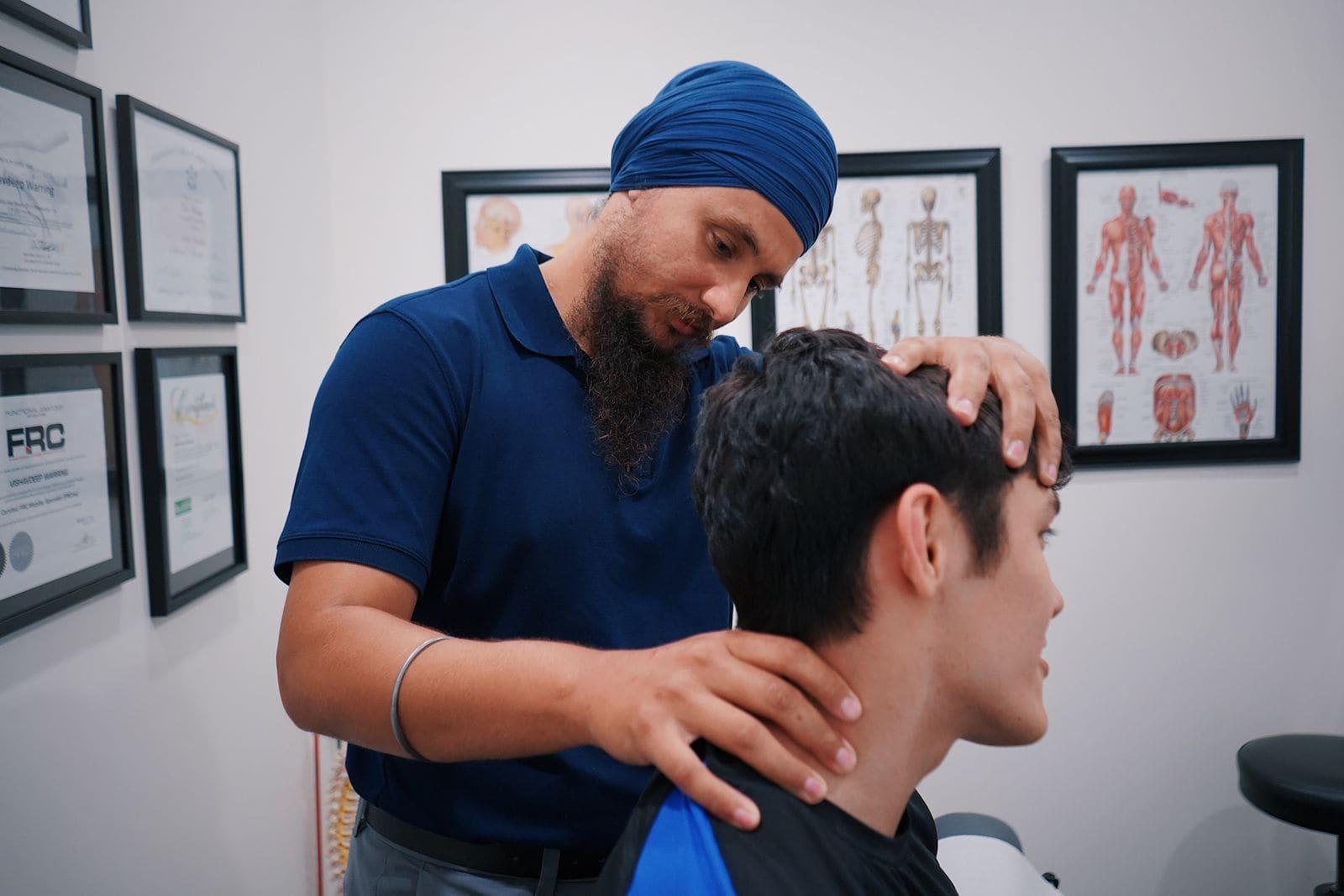
Minor Injury and Threshold Injury Disputes (NSW)
What a minor injury or threshold classification is, why it affects how long some benefits run, how it is generally contested, and where medical evidence fit…
Learn moreCar Accident Injuries: Symptoms, Red Flags & Recovery
Common injuries after a NSW car accident — whiplash, back and neck pain, concussion, soft-tissue and psychological injury — why symptoms can appear late, and when to get checked.
Learn moreDisputes
Internal review and the Personal Injury Commission (PIC)
Many CTP disputes follow a similar path. The insurer makes a decision, you ask it to look again through internal review, and if that doesn't fix it, the dispute can go to the Personal Injury Commission. The PIC is an independent tribunal, not a court and not part of the insurer, set up to resolve motor accident and workers compensation disputes with less formality than litigation. Our explainer on how Personal Injury Commission disputes work covers the detail.
The decision letter
It should give reasons and explain your review rights. Its date often starts the clock.
Internal review
The insurer reconsiders its own decision, generally within a set period. Send fresh material, such as an updated certificate or a specialist report. Decisions are sometimes changed at this stage.
Application to the Commission
If review doesn't resolve it, an application is lodged with the required material and the insurer replies.
Directions and resolution
Depending on the dispute, that can mean written submissions, a conference or a hearing, or sending a medical question to an assessor. Many matters resolve along the way, by agreement or conciliation.
A decision on the evidence
The decision-maker works from the material in the file. Evidence that exists but was never put in the file doesn't count.
The Commission deals with disputes about liability, about benefits being declined, reduced or stopped, and about medical questions such as injury classification and permanent impairment. People do run matters themselves, but most get representation at this stage. A solicitor knows which pathway a dispute belongs in, what the application needs to contain, and what evidence is missing before it becomes a problem. SIRA's motor accident information sets out the current procedures.
Time limits apply at every stage
There are time frames for requesting internal review and for taking a dispute further, and some are short. The review outcome is usually the point the next step is measured from, so keep that date too. If you're unsure where you stand, check with SIRA or a solicitor promptly.
Damages and settlement
Damages claims and settlement: where a lawyer usually leads
The NSW scheme has two limbs. Statutory benefits are the week-to-week support an insurer administers while you recover: approved treatment and, where the rules allow, income support. A damages claim, often called a lump sum claim, is a separate legal claim about fault and the lasting effects of your injury, and it resolves once. It isn't open to everyone. Our guide to statutory benefits versus common law damages explains the difference.
Fault
Who was responsible for the accident, and whether any share of it is put on you, is usually central.
Classification
How your injury has been classified under the scheme affects which options stay open, and for how long.
Impairment
Assessed whole person impairment is used in the scheme. The thresholds are set by the scheme rules, which SIRA publishes, not decided by your doctor.
Timing
Deadlines apply to bringing a damages claim and to the steps leading up to it.
Before you sign anything
Settlement is generally final. It usually closes off the chance to come back later if things turn out worse than expected. If you're asked to sign something that settles or closes part of your claim, accept an offer or give a formal statement, get independent legal advice first. A deadline on an offer is not a reason to decide without advice.
CTP Doctor doesn't estimate what a claim might be worth, and we don't tell anyone whether to settle. What we can tell you is whether your condition is still changing and which treatment remains reasonable. That's useful to take to your solicitor. For the full picture of what the scheme can provide, see our guide to CTP benefits in NSW, and read what to expect from a CTP settlement before an offer arrives.
Your medical record
Keeping your medical evidence strong during a dispute
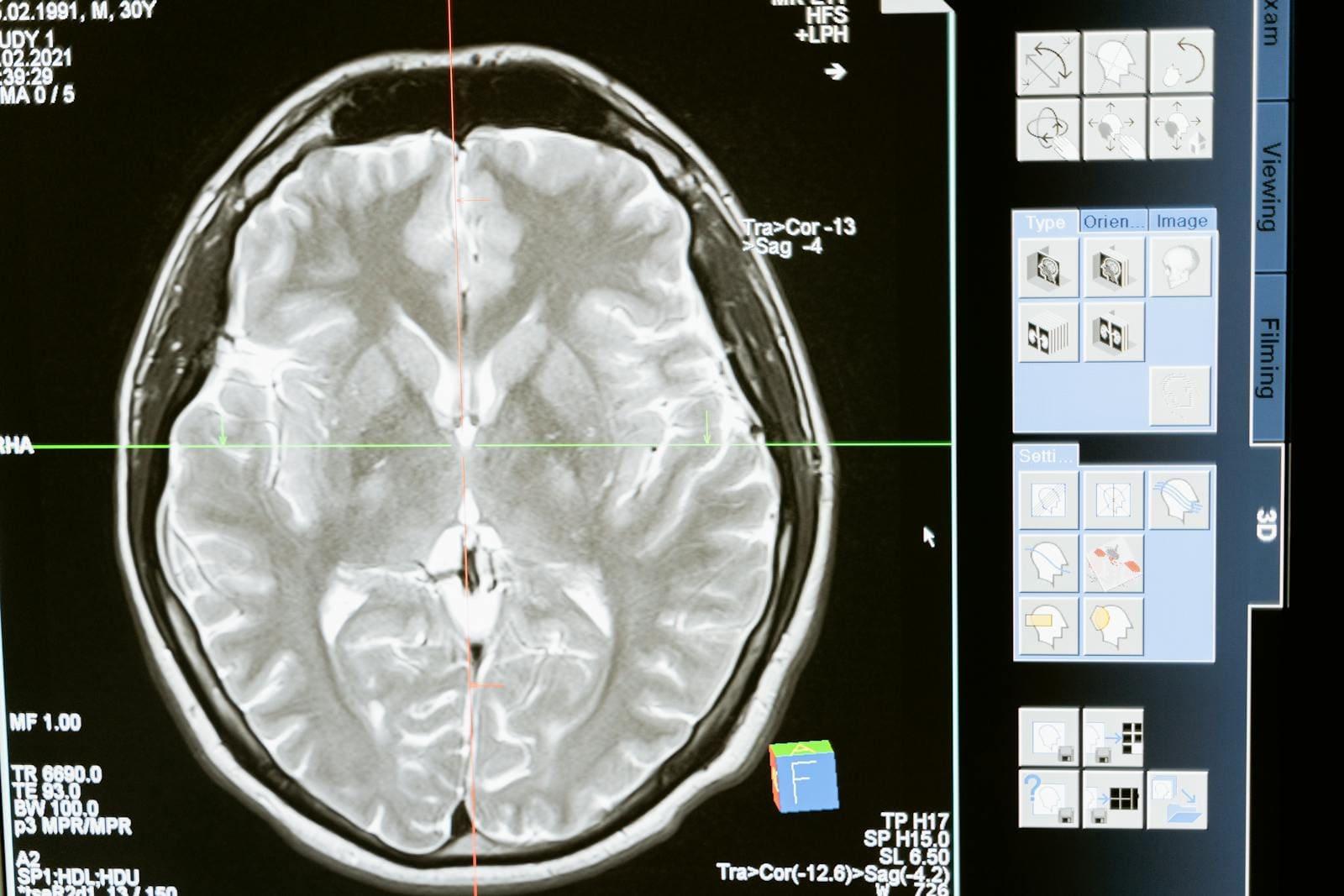
Reviews and disputes usually turn on the record. Was the diagnosis clear, and written down early? Do your certificates describe real restrictions, or are they vague and repeated? Is treatment linked to the accident in the notes, and are any gaps explained? A solicitor can argue your case, but much of the evidence they rely on comes from your treating team. Our guide to gathering medical evidence for your CTP claim explains what good evidence looks like.
- Attend appointments consistently. Long gaps can make it look as if symptoms or treatment simply stopped.
- Keep Certificates of Fitness current and specific: diagnoses, functional restrictions and realistic review dates.
- Where your doctor considers imaging or a specialist opinion clinically indicated, keep those reports together with the rest of your file.
- Tell each provider who else is treating you, so physio, psychology and medical records don't contradict each other.
- Describe good days and bad days honestly. Accuracy matters more than emphasis.
If the insurer arranges an independent medical examination, your treating records provide a baseline its findings can be compared against. If your solicitor asks for a medico-legal report, that's a separate document from your routine clinical notes, prepared knowing it may be used in a dispute. Either way, clinical opinions stay independent. Good medical evidence helps because it's thorough and honest, not because it's shaped to fit a legal strategy.
At CTP Doctor, a doctor can reassess you, update your certificates in line with the findings, and coordinate CTP treatment, including physio, psychology and exercise physiology, so the whole record is consistent. Appointments run by telehealth across NSW, or in person. Care for a motor accident injury is generally accessed through the CTP scheme, not paid by you directly.

Been in an accident?
Book an appointment with one of our CTP doctors. We coordinate your care and handle the paperwork.
Choosing a solicitor
Choosing a CTP solicitor: questions to ask and how costs work
Search for CTP lawyers in Sydney, Newcastle or anywhere else in NSW and you'll find plenty of choice. The CTP scheme is the same across the state and has its own procedures and deadlines, so ask any solicitor whether they regularly run NSW motor accident matters. Before you commit to anyone, it's reasonable to ask questions and take your time. These are worth raising at the first conversation:
- What share of your work is NSW motor accident (CTP) claims?
- Is any deadline on my claim coming up soon?
- Having seen my paperwork, what would you do next, and why?
- If the claim doesn't succeed, what would I still have to pay, including disbursements?
- Which reports or records will you want from my doctors, and when?
- Who will handle my matter day to day, and how do I reach them?
No-win-no-fee and other costs agreements are between you and your solicitor. No win no fee generally means you aren't charged legal fees unless the claim succeeds, but the details vary between firms, and some costs, such as medical reports and filing fees, may still be payable either way. Many NSW motor accident solicitors offer an initial conversation at no charge. Ask upfront, and have the agreement explained in plain English before you sign it.
An introduction doesn't lock you in
You can ask another solicitor for a second opinion, and you can change solicitors later, though it's worth asking how costs are handled if you do. An introduction from us doesn't commit you to anything, and you're welcome to bring your own solicitor instead.
How we help
How an introduction to an independent solicitor works
An introduction is simple, and it's always optional. The solicitors we introduce are independent, focus on NSW motor accident compensation, and are people we've worked alongside professionally. We receive no referral fees and have no arrangement with any firm, so the choice stays with you, including bringing your own solicitor. There's no obligation at any point. Here's how it works in practice.
Tell us what's happened
Call us, ask us to call you back, or book an appointment. Have the decision letter, your claim number and any recent certificates handy.
We look at the medical side
A doctor checks where your record is up to and, if needed, reassesses you so your certificates reflect your current restrictions.
You decide about legal help
If you want it, we introduce you to an independent solicitor. If you'd rather use your own, that's fine too.
The solicitor handles the legal side
Advice, costs, reviews, disputes and any damages claim sit between you and your solicitor. We stay out of legal strategy.
We keep your care going
We continue your treatment and keep the clinical record accurate and current, whichever solicitor you choose, or none at all.
What we don't do
CTP Doctor doesn't give legal advice, run disputes, represent you, estimate what a claim is worth or tell you whether to accept an offer. Those are questions for a solicitor, with the scheme rules published by SIRA.
Are you a solicitor or paralegal? You can book a medical assessment, certificate or treating report for a client in four quick questions, and we'll call your office to confirm the details. Assessments run by telehealth across NSW, or in person where appropriate. Reports stay clinical, covering findings, capacity and treatment, and anything on entitlements or strategy stays with you.
Frequently asked questions
CTP Doctor is a medical service, not a law firm, and doesn't give legal advice. General information only — for the scheme rules see SIRA or seek legal advice.
Related topics

CTP claims
Who can claim, how to lodge, and what happens after — in plain English.
Read the guide
CTP treatment
One doctor to assess you, certify you and coordinate the rest of your care.
Read the guideCar accident injuries
What's common, what can show up days later, and when to get checked.
Read the guide
CTP benefits
The kinds of support the scheme provides, and what they depend on.
Read the guideEverything in this topic
Guides and articles
6 pages- Do I Need a Lawyer for My CTP Claim? (NSW)Not always — but sometimes it matters a lot. When a straightforward claim can run without a solicitor, when getting advice is worth it, and how CTP Doctor f…
- CTP Claim Denied or Cut Off — What You Can Do in NSWTreatment refused, liability denied, or payments stopped — internal review, Personal Injury Commission, and getting the medical record straight.
- CTP Claim Denied? The First Three Things to DoIf a CTP treatment request or claim has been declined, here's a practical, medically-focused starting point before you decide what to do next.
- The Insurer Stopped My Weekly Payments — What Now?Weekly payments cut off after a NSW motor accident? How to read the decision, what internal review involves, the medical side of capacity, and when to get a…
- Minor Injury and Threshold Injury Disputes (NSW)What a minor injury or threshold classification is, why it affects how long some benefits run, how it is generally contested, and where medical evidence fit…
- The Personal Injury Commission (PIC): Disputes ExplainedWhat the Personal Injury Commission does in NSW motor accident matters, the kinds of disputes it handles, how the process generally runs, and why people use…
Checkers
2 pages- My claim was denied, cut off, or disputedLiability denied, treatment refused, payments stopped or a minor-injury classification? Four questions, then a clear medical and legal next step.
- I'm a solicitor or paralegal booking for a clientBook a CTP medical assessment, certificate or treating report for a client. Four questions and we'll call your office to confirm the details.

Get started
Book with a CTP doctor
Often seen within the week. Telehealth across NSW, or in person where appropriate. No claim number needed to start.