CTP benefits
CTP Benefits in NSW: What You Can Claim
The kinds of support the scheme provides, and what they depend on.
Last updated , 18 min read

CTP benefits in NSW are the support the green slip scheme provides after a motor accident injury: treatment and rehabilitation, some help at home, weekly payments if you can't work and, for some people, a separate claim for damages. People often call these their CTP entitlements. Under the rules for your accident date, what you can claim depends mostly on two things: how much you were at fault, and how your injury is classified. The CTP insurer makes the decisions. Your doctor documents the clinical facts those decisions are built on.
This page takes each kind of support in turn, in plain English, with what it depends on and what to do next. It is general information, not legal advice. CTP Doctor is a medical clinic, not a law firm. We see people by telehealth across NSW, or in person, and care for an accident injury is generally accessed through the CTP scheme, not paid by you directly. If you'd rather start with your own situation, try the one-minute check on what you might be able to access.
On this page11 sections
The basics
What does CTP cover in NSW?
Every registered vehicle in NSW carries compulsory third party insurance, usually called the green slip. It covers people injured in a motor accident: drivers, passengers, motorcycle riders, pedestrians, and cyclists when a vehicle is involved. It doesn't fix dents, replace a written-off car or cover your excess. That sits with comprehensive or third-party property insurance. If you're not sure where you fit, see who can make a CTP claim in NSW.
Compensation under the scheme comes in two separate kinds, and mixing them up causes a lot of needless worry. One kind is paid as you go while you recover. The other is a legal claim that, if it's open to you, resolves once. Knowing which kind a letter is about tells you who to call, and what the deadline is likely to be.
Statutory benefits
The practical, week-to-week support the insurer administers: treatment that is reasonable and necessary, and income support where the rules allow. Decided under set rules, with review rights.
Common-law damages
A separate legal claim about fault and the longer-term effects of your injury. Not everyone qualifies, and it is usually run with a solicitor.
Who decides what
The insurer applies the scheme rules. SIRA regulates the scheme and publishes the forms. The Personal Injury Commission handles many disputes. Your doctor documents; they don't decide.
Fault and injury classification shape both kinds, so they come up again and again below. If you haven't lodged a claim yet, start with how a CTP claim works, step by step, then come back here. For a side-by-side comparison of the two tracks, read statutory benefits vs common-law damages.
Treatment
Treatment and rehabilitation: what the CTP insurer pays for

Treatment is usually the first benefit people use. The insurer funds treatment that is reasonable and necessary for injuries caused by the accident, judged against the rules for your accident date. In plain terms, it should be recommended by a qualified practitioner for your specific injury, supported by evidence, and in proportion to how badly you're hurt. It is generally accessed through the CTP scheme, not paid by you directly. Depending on your injury, treatment can include:
- GP and specialist appointments, and hospital care within the scheme rules.
- X-rays, scans and other imaging when they are clinically justified.
- Physiotherapy, psychology and exercise physiology, plus other allied health such as occupational therapy when your treating team recommends it.
- Medication prescribed for your accident injuries.
See a doctor early
Your first appointment records the diagnosis, the examination findings and a plan. The first Certificate of Fitness must be completed by a medical practitioner.
Request the treatment
Your treating practitioner sends the insurer a short clinical reason: what the treatment is for, how many sessions, and what it should achieve.
Wait for the insurer's decision
The insurer checks the treatment relates to the accident and is reasonable. Pre-approval is often needed for ongoing care, so don't take silence as a yes.
Renew before it runs out
Most approvals cover a set number of sessions. Your practitioner should record your progress and ask for more before the approval ends, not after.
If a treatment request is declined
Ask the insurer for its reasons in writing, so you know what evidence it says is missing. Often the next step is a short letter from your doctor answering that specific point, rather than starting the request again. See how CTP treatment approvals work, or read about CTP treatment with a doctor, physio and psychologist working together.
Help at home
Domestic help, aids, equipment and travel costs
Some injuries make ordinary life hard: cleaning, cooking, shopping or looking after children. Where help at home is reasonable and necessary, the scheme may fund domestic assistance or care in some cases. Expect the insurer to ask for clear medical reasons, and it may limit the hours. Your treating team documents what you can't manage safely. The insurer decides what it will fund. Case by case, the scheme may also cover:
- Aids such as walking aids, braces or ergonomic equipment, where they are clinically justified and linked to your accident injury.
- Home modifications, such as bathroom grab rails or ramp access, in some cases and with a detailed clinical reason.
- Reasonable travel costs to and from approved treatment. Check the insurer's process first.
- Accident-related costs you pay yourself while the claim is being set up, where the insurer accepts them. Keep every receipt and ask how reimbursement works.
Ask before you buy
Don't buy an expensive item and assume the insurer will pay you back. Get approval in writing first where you can, or at least a clear answer from your case manager. The insurer may want its own assessment before it agrees.
CTP and Medicare are different systems. Once your claim is in play, the insurer is usually the main payer for accident-related treatment, but the overlap with Medicare and private health cover can get messy. Ask your clinic's admin team how they bill, and read insurer letters carefully. Our plain-English guide to what your CTP entitlements include has more everyday examples.
Income support
Weekly payments if you can't work
If your accident injuries stop you working, or cut the hours you can manage, you may be eligible for weekly payments. They are partial income support, not a straight continuation of your pay. They depend on certificates that describe your capacity, proof of what you earned before the accident, and the insurer's assessment. They are not automatic just because you feel unfit for work. The insurer will generally want to see:
- A current Certificate of Fitness stating your capacity for work, your hours and your restrictions.
- Proof of your earnings before the accident: payslips, tax returns or business records.
- Details of every job you held, including casual or second jobs.
- Quick replies when the insurer asks for more. Delays can pause payments.
The amount is based on your pre-accident weekly earnings, using formulas set out in the law. It steps down at set points during the claim, there is a cap, and other income, such as income protection, Centrelink or earnings from light duties, may be offset. Ask the insurer for a written breakdown. If you work for yourself, see CTP claims for self-employed and gig workers.
Lodge early: the 28-day point
If your claim is served within 28 days of the accident, benefits can be backdated to the accident date. If you lodge later, weekly payments may not be paid for the time before you claimed, unless an exception applies. Confirm your own dates with SIRA or a solicitor.
If your payments stop, or the rate looks wrong, don't wait it out. Ask for the calculation in writing, check the review deadline on the letter, and make sure your certificate reflects what you can really do. Read what to do if the insurer stops your weekly payments, and our full guide to CTP weekly payments.
Injury classification
The minor-injury label and why it matters for your benefits
Early in a claim, the insurer decides whether your injury is a minor injury under the scheme. Depending on your accident date, you may see the term threshold injury instead. It is a legal label applied to medical facts, not a judgement about how much it hurts. Broadly, it captures certain soft-tissue injuries, such as sprains, strains and many whiplash-type injuries, and certain psychological reactions. Our guide to car accident injuries and their symptoms explains the common ones.
What it affects
How long some statutory benefits run, including weekly payments, and whether a damages claim is open to you at all.
Who decides
The insurer, working from your claim form, certificates, treating notes, imaging and sometimes an examination it arranges. Not your doctor, and not an online forum.
What helps it be right
A specific diagnosis for each injured area, findings recorded at the time, scans explained against your symptoms, and a record of how you respond to treatment.
If things change
Insurers aren't required to revisit the label automatically as time passes. New evidence, such as a specialist diagnosis or treatment that hasn't worked, can be put forward to ask for it to be reconsidered.
If you disagree with the classification, act within the timeframe on the decision letter. Internal review by the insurer usually comes first, then the Personal Injury Commission. Bring new medical material, such as a specialist opinion or updated imaging. The guide to minor vs non-minor injury explains the definition, and how minor injury disputes work covers the review steps. See also when to get legal help with a CTP dispute.
Duration
How long do CTP benefits last?
There's no single answer that fits everyone. The law sets some benefit periods, but which ones apply to you depends on the rules for your accident date, whether you were mostly at fault, how your injury is classified, and how your recovery goes. The insurer should explain your classification and your benefit period in writing, so ask if it hasn't. In general terms:
- Mostly at fault: you may still be able to get treatment and other statutory benefits, but for shorter, defined periods. See how fault changes a CTP claim.
- Minor injury: some statutory benefits, weekly payments among them, end at a defined point. They stop then, even if you don't feel recovered.
- Not at fault with a non-minor injury: a longer statutory benefits pathway, and possibly a damages claim.
- Weekly payments step down at set milestones. A lower payment is not necessarily a decision about your health.
- Treatment continues only while it stays reasonable and necessary. Many claims move to maintenance care or discharge once function settles.
Deadlines run from your letters
The scheme has time limits for lodging a claim, asking for internal review and taking a dispute further. A common reference point for lodging is three months from the accident, but don't rely on a summary. Note the date each insurer letter arrives, and confirm your dates with SIRA or a solicitor. The CTP time limits check is a quick place to start.
Work
Returning to work after a car accident

For most people, going back to work is gradual, not a switch from unfit to fit. Your Certificate of Fitness drives it. It should say exactly what you can do, including hours, tasks, lifting and driving, so your employer, the insurer and any rehabilitation provider are all working from the same information. Vague phrases like light duties help nobody.
Get your capacity assessed
Your doctor examines you and records what you can and can't do right now, including psychological effects such as anxiety about driving.
Put specifics on the certificate
Clear hours and restrictions give your employer something to act on. Here's what a Certificate of Fitness should include.
Agree suitable duties
Suitable duties are tasks within your restrictions, not necessarily your usual role. Employers are generally expected to consider reasonable changes.
Review on a set date
Book your next review before the current certificate runs out, so there's no gap.
Speak up about setbacks
If a trial shift causes a flare-up, tell your doctor promptly so the certificate matches what's really happening.
The insurer can make a work capacity decision, a formal view on whether you can work in some capacity, and that affects weekly payments. If you disagree, there are review options with deadlines. Where your old job is no longer realistic, the scheme may fund vocational rehabilitation, such as workplace assessments, retraining or job placement. The work capacity check helps you find your next step.
Go deeper

Return to work after a car accident
A practical look at returning to work after a car accident under CTP — graduated return, suitable duties, certificates, and insurer decisions.
Learn moreI can't work (or can't work fully) after my accident
Off work, on light duties or struggling through after a NSW motor accident? Four questions about your capacity and certificates, then a next step.
Learn moreCan't work, or not fully?
Get your capacity documented properly
Your Certificate of Fitness is what the insurer and your employer rely on. A few questions and we'll explain what needs to be on it and how to get it right.
Damages
Whole person impairment (WPI) and damages claims
A claim for damages, often called a common-law or lump sum claim, is separate from the benefits above. It is a legal claim about fault and about how the injury affects your life, and it resolves once rather than week by week. It isn't automatic. Generally it is only open to people who were not mostly at fault and whose injury is not minor, among other requirements, and there are time limits on bringing it.
A formal assessment
Whole person impairment is a single figure for how much a permanent injury affects your body overall, assessed against published guidelines.
Done once you're stable
It is generally assessed when further treatment is unlikely to change the injury much. Assessing too early may not show where you end up.
Not a pain score
It isn't a rating of how much pain you're in, your work capacity or how hard life has become, and a treating doctor can't give you a figure at an ordinary appointment.
Used for set thresholds
The scheme uses WPI for specific purposes. SIRA publishes the thresholds, and what they mean for your claim is a legal question.
Because damages and impairment turn on legislation and evidence, they belong with a solicitor. CTP Doctor doesn't estimate what a claim might be worth. What we do is keep the treating record accurate, because assessors read it closely. Read more about how WPI assessments work and lump sum and damages claims. If you'd like advice, we can introduce you to an independent solicitor. There are no referral fees, and the choice is yours.
Go deeper

Whole Person Impairment (WPI) Explained
What whole person impairment means in the NSW motor accident scheme, how assessments generally work, and why your treating medical record matters first.
Learn moreCTP Lump Sum and Damages Claims: A General Guide
What a 'lump sum' or damages claim means in the NSW motor accident scheme, who may be able to pursue one, and why it is a legal question.
Learn moreSettlement
Settling a CTP claim: what to expect

Settlement is an agreed end to a claim, rather than a decision imposed on you. Its key feature is that it is generally final. Once you settle, you usually can't come back if things turn out worse than expected. Timing varies a lot. Where an injury has longer-term effects, it is hard to put a sensible value on it until your condition has largely stabilised. Before you agree to anything, ask a solicitor:
- What does this settlement cover, and what would I be giving up for good?
- Is my medical position stable enough for this to make sense now?
- What happens to my treatment afterwards?
- How do legal costs and disbursements come out of it?
- What are the alternatives if I say no, and what are the risks of each?
What CTP Doctor can and can't tell you
We can tell you what your injuries are, how they're progressing and what treatment is still reasonable. We can't tell you what a claim is worth, whether an offer is fair, or whether to sign. Offers often come with a deadline, but a deadline isn't a reason to decide without advice. Our general guide to CTP settlement explains the process.
The medical evidence used at settlement isn't assembled at the end. It builds up through treatment, visit by visit. Attending your appointments, keeping certificates current and having new or ongoing symptoms written down as they happen is what makes the file hold together. Get legal advice on any offer before you respond, not after you sign.
Next steps
Check which CTP benefits may apply to you
Take the one-minute check
Four questions about your injury, work, treatment and fault, then a general next step. Start the CTP entitlements check.
Get your injuries documented
Book an assessment by telehealth across NSW, or in person. Benefit decisions rely on your diagnosis, certificate and treatment plan.
Lodge your claim if you haven't
The Application for Personal Injury Benefits is the claim form. Our guide to the personal injury claim form explains each part.
Keep a paper trail
Keep every insurer letter with the date it arrived, copies of everything you send, and receipts for costs you pay.
Get advice if it's disputed
If a decision goes against you, or damages come up, ask us about an introduction to an independent solicitor. The choice is always yours.
For the official rules, read SIRA's motor accident information rather than second-hand summaries. CTP Doctor is a medical clinic, not a law firm, and we don't give legal advice. We assess your injuries, keep your certificates accurate and coordinate physiotherapy, psychology and exercise physiology. Treatment for an accident injury is generally accessed through the CTP scheme, not paid by you directly.
What might you be able to access?
See what kinds of support may apply
A quick checker that explains, in general terms, the kinds of defined benefits the scheme provides — and what depends on your circumstances.
Frequently asked questions
- SIRA: Motor accidents and CTP (green slip) information (opens in a new tab)
- SIRA: What you can claim after a motor accident (opens in a new tab)
- SIRA: What you can claim, medical expenses (opens in a new tab)
- SIRA: Lump sum compensation (common law damages) (opens in a new tab)
- NSW Legislation: Motor Accident Injuries Act 2017 (opens in a new tab)
CTP Doctor is a medical service, not a law firm, and doesn't give legal advice. General information only — for the scheme rules see SIRA or seek legal advice.
Related topics

CTP claims
Who can claim, how to lodge, and what happens after — in plain English.
Read the guide
CTP treatment
One doctor to assess you, certify you and coordinate the rest of your care.
Read the guide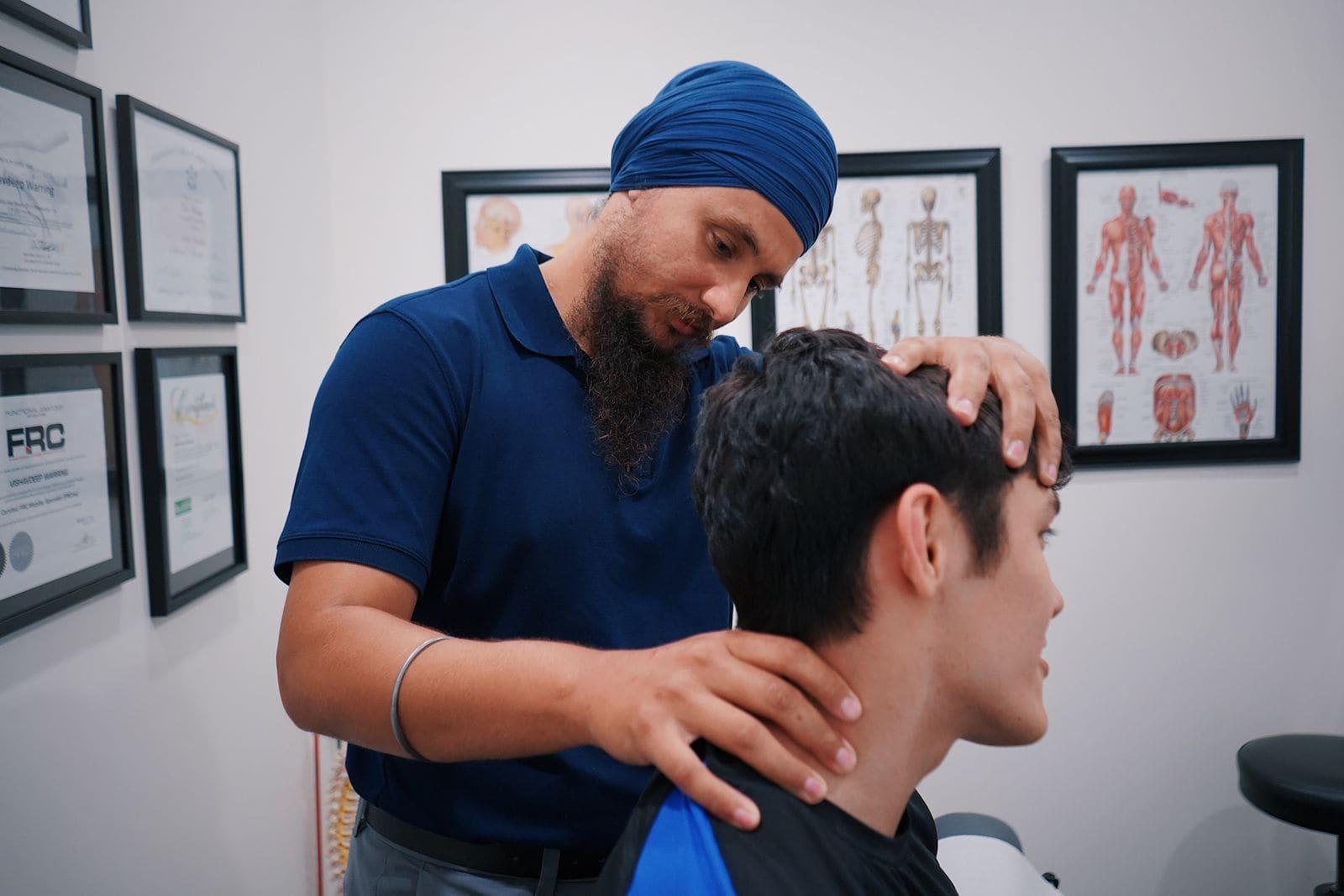
Car accident injuries
What's common, what can show up days later, and when to get checked.
Read the guide
Legal help & disputes
When the claim gets difficult — and how to get independent legal advice.
Read the guideEverything in this topic
Guides and articles
8 pages- CTP Entitlements in NSW (Plain English)Treatment, weekly payments, and where common law fits — with SIRA links.
- Statutory Benefits vs Common Law Damages (NSW CTP)The two limbs of the NSW motor accident scheme explained in general terms — what each is for, why the distinction matters, and who decides which applies.
- CTP Weekly Payments — Income Support After a CrashHow statutory weekly payments work under MAIA, what certificates and pay evidence you need, and how fault and late lodgement affect what gets paid.
- Minor vs Non-Minor Injury Under MAIAWhy this classification exists, what it affects (benefit duration and common law), and how medical evidence fits in — without turning a web page into legal…
- Return to work after a car accidentA practical look at returning to work after a car accident under CTP — graduated return, suitable duties, certificates, and insurer decisions.
- Whole Person Impairment (WPI) ExplainedWhat whole person impairment means in the NSW motor accident scheme, how assessments generally work, and why your treating medical record matters first.
- CTP Lump Sum and Damages Claims: A General GuideWhat a 'lump sum' or damages claim means in the NSW motor accident scheme, who may be able to pursue one, and why it is a legal question.
- CTP Settlement: What to Expect (General Guide)How motor accident claims in NSW generally come to an end, what settlement involves in broad terms, and questions worth asking a solicitor before you agree.
Checkers
2 pages- What might I be able to access?A plain-English look at the kinds of defined benefits the NSW CTP scheme provides for, and where to check what applies to your circumstances.
- I can't work (or can't work fully) after my accidentOff work, on light duties or struggling through after a NSW motor accident? Four questions about your capacity and certificates, then a next step.

Get started
Book with a CTP doctor
Often seen within the week. Telehealth across NSW, or in person where appropriate. No claim number needed to start.