CTP treatment
CTP Treatment in NSW: Doctors, Physio, Psychology & Exercise Physiology
One doctor to assess you, certify you and coordinate the rest of your care.
Last updated , 19 min read

A CTP doctor is a doctor who assesses and treats injuries from a NSW motor vehicle accident, writes the Certificate of Fitness your claim relies on, and organises physiotherapy, psychology and exercise physiology when you need them. You can be seen by telehealth across NSW, or in person, and approved treatment for accident injuries is generally accessed through the CTP scheme, not paid by you directly.
This page walks you through CTP care from the first appointment onwards: what the doctor does, why the certificate matters so much, how physio, psychology and exercise physiology fit together, and how treatment gets approved. Each section ends with the pages that go into more detail, so you only need to read what matters to you today.
On this page12 sections
Our services
Doctors first, then coordinated allied health. Legal support is optional and separate.
See a CTP Doctor: Your First Appointment
What happens at your first visit: assessment, Certificate of Fitness, treatment plan, and paperwork sorted.
Learn more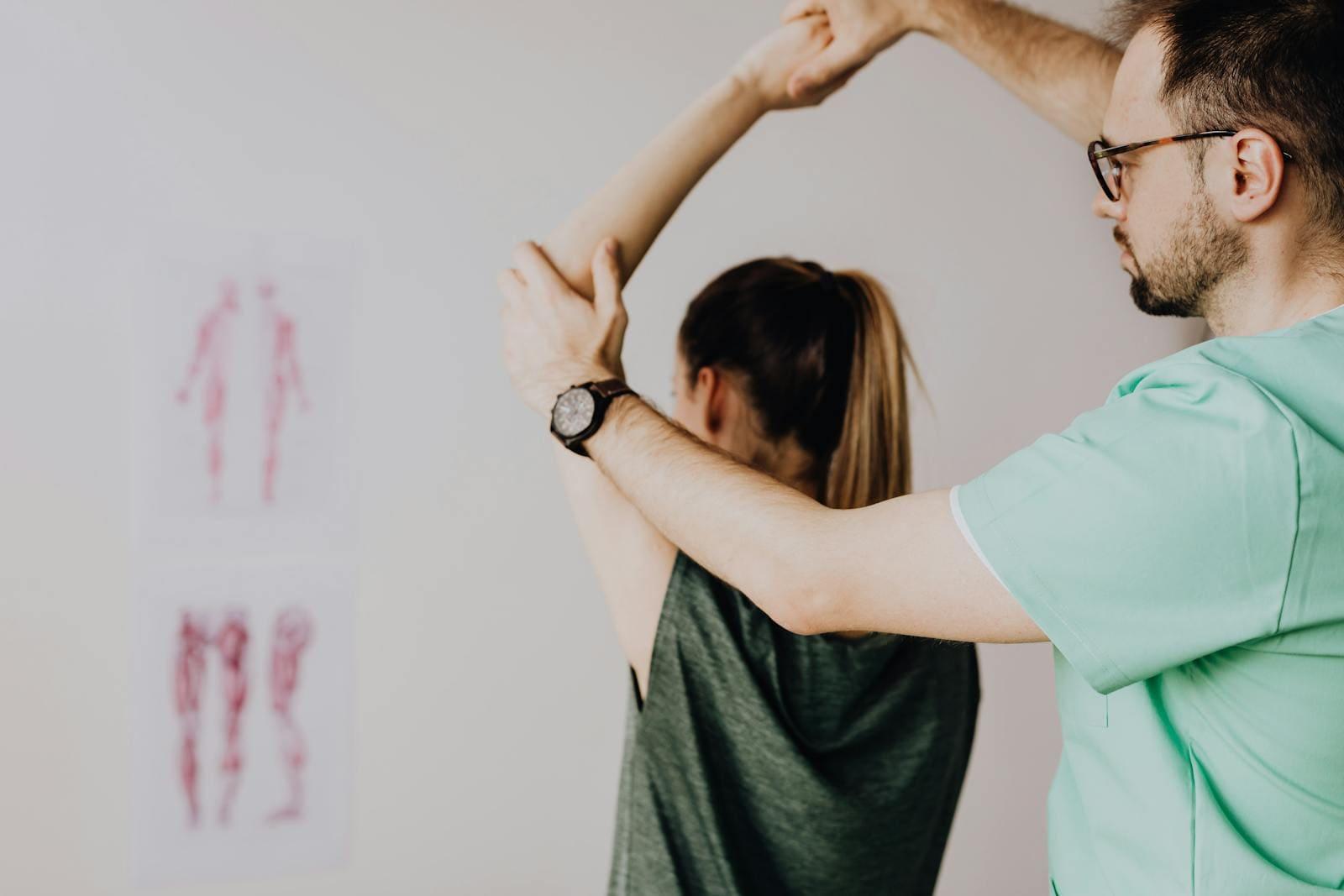
CTP Physiotherapy After a Car Accident
Physio for whiplash, back pain, and soft-tissue injuries under NSW CTP — how approvals usually work.
Learn more
CTP Psychology: Mental Health After a Crash
Anxiety, PTSD, and depression after an MVA — accessing psychology through your CTP claim.
Learn more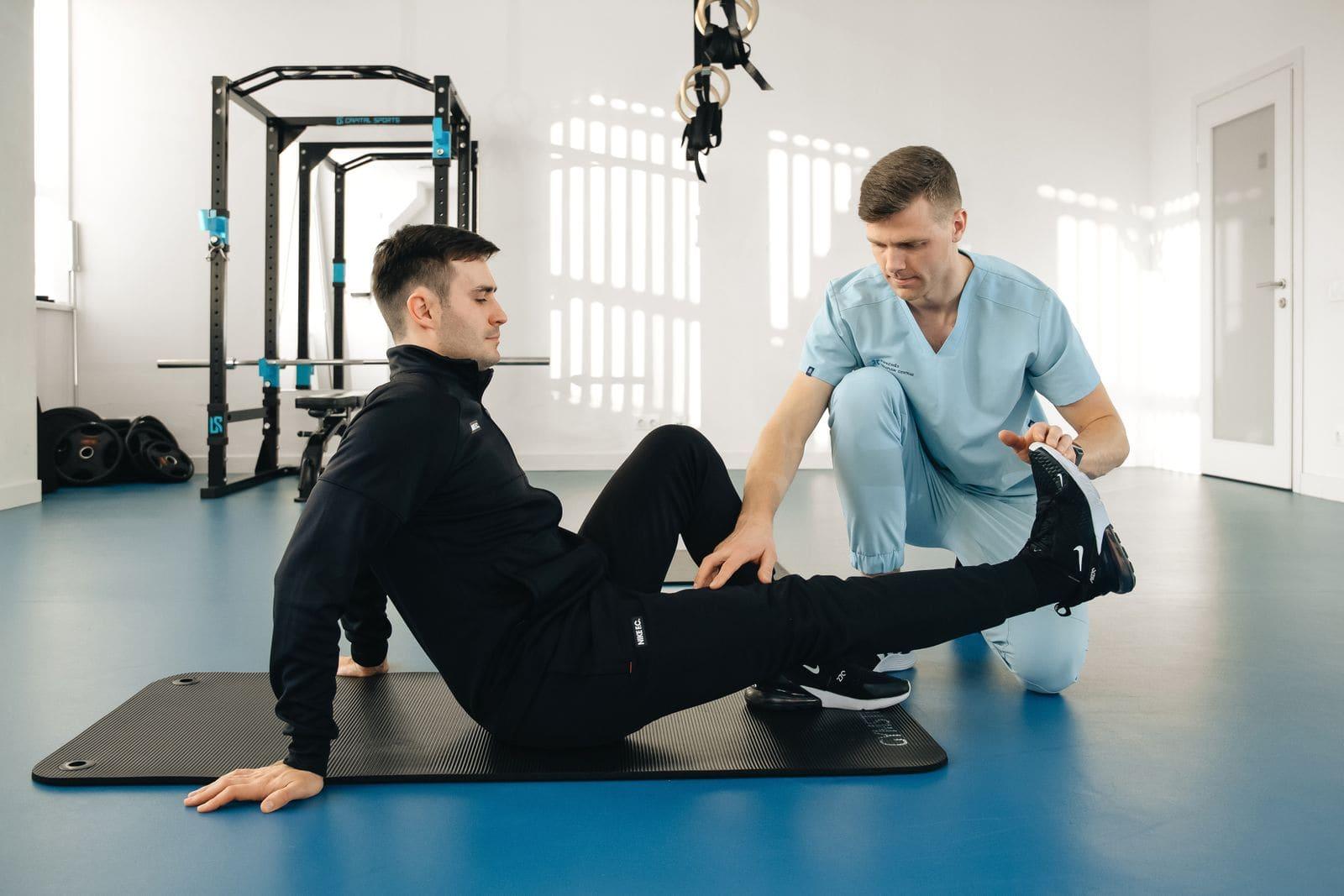
CTP Exercise Physiology
Structured rehab and return-to-activity programs through CTP.
Learn moreStart here
Seeing a CTP doctor after a car accident: your first appointment
Your first appointment is where the medical side of your claim begins. A CTP-experienced doctor wants to understand what hurts, how the crash happened and what your injuries are stopping you from doing. It usually takes 30 to 45 minutes, longer than a quick GP visit, because what is found today becomes the baseline later reports are compared against. You would normally leave with a working diagnosis, a Certificate of Fitness and a plan for next steps. Read what happens at a CTP medical assessment for the full picture.
Your story
The doctor asks how the accident happened, what you have noticed since, and how pain, sleep, work and daily jobs have been affected.
An examination
Every area that hurts is checked, such as your neck, back, shoulders and limbs, with nerve checks where they are relevant.
Your records
Hospital or emergency department paperwork, and any X-ray, CT or MRI reports you bring, are reviewed alongside the examination.
A working diagnosis
Each injury is named, and the doctor records how it relates to the crash. This is the clinical foundation the insurer reads your claim against.
Certificate and plan
Your Certificate of Fitness is issued, and referrals for physio, psychology or exercise physiology are made if you need them.
- Bring photo ID, and your claim number if you already have one.
- Bring the police event number, if the crash was reported to police.
- Bring hospital or emergency department letters, and any scan reports or images.
- Bring a list of the medicines you take, including anything new since the crash.
- Bring a few notes on your symptoms and questions, so nothing gets forgotten on the day.
If it feels like an emergency
A CTP appointment is not emergency care. Call 000 or go to the nearest emergency department if you have a sudden, severe headache unlike any before, confusion, chest pain, trouble breathing, new weakness or numbness, loss of bladder or bowel control, or any symptom that is getting worse fast, even if the crash was days or weeks ago. Our guide to car accident injuries and their warning signs explains what to watch for.
The key document
The Certificate of Fitness: your CTP medical certificate
In the NSW motor accident scheme, the Certificate of Fitness is the medical certificate everything else leans on. It records your diagnosis, the treatment you need and your capacity for work: no capacity for now, fit for modified duties, or fit with specific restrictions. The insurer relies on it when deciding treatment requests and weekly payments. It is a SIRA form, not a generic sick note, and a WorkCover certificate belongs to a different scheme. Our guide to the Certificate of Fitness covers the form itself.
The first one comes from a doctor
Your first certificate after the crash must be completed by a registered medical practitioner, during a face-to-face or telehealth consultation.
Later ones can come from allied health
A physio or psychologist who is treating you, and who meets SIRA's requirements, can complete later certificates, but only within their own scope of practice.
It needs renewing
Each certificate generally covers up to 28 days, so it needs renewing regularly, and sooner if your capacity changes. The insurer's letter usually states when it expires.
Specific beats vague
A useful certificate spells out restrictions in plain words, such as lifting, sitting or driving limits, and sets a date for review.
Don't let your certificate lapse
If your certificate expires before the next one is issued, the insurer has no current evidence of your capacity. Weekly payments can pause, and a physio or psychology session in the gap may not be approved afterwards. Book your review appointment before the expiry date, not after it.
A run of certificates also tells the story of your recovery. When each one reflects what has really changed, such as a setback, a new symptom or better function at work, the insurer can follow the reasoning instead of querying it. Copy-pasted certificates, or ones that contradict your treating notes, are a common cause of delay. For more on this, read why your Certificate of Fitness matters more than you think.
Go deeper
Certificate of Fitness (NSW Motor Accidents)
What the certificate is for, who completes the first one vs later ones, how physios and psychologists fit in, and what insurers actually read on the page.
Learn moreWhy Your Certificate of Fitness Matters More Than You Think
A Certificate of Fitness sounds like paperwork, but it shapes your treatment access and work capacity record after a crash. Here's why it counts.
Learn more
Can't work, or not fully?
Get your capacity documented properly
Your Certificate of Fitness is what the insurer and your employer rely on. A few questions and we'll explain what needs to be on it and how to get it right.
Telehealth or in person
CTP telehealth doctor or in-person visit: which suits what

You don't have to pick one format for your whole recovery. Appointments run by telehealth across NSW, or in person, and the doctor matches each visit to what it needs clinically. A first assessment often works best face to face, because a hands-on examination sets an accurate baseline. Many later reviews can happen from home. If you would simply rather come in, that is always your call. The guide to telehealth versus in-person CTP appointments works through more examples.
Often suits telehealth
Certificate reviews once your condition has settled, follow-ups on how treatment is going, talking through scan results, and mental health check-ins.
Usually better in person
Your first assessment, a hands-on check of a specific injury, and any time symptoms are changing quickly or something new has appeared.
- Use a phone, tablet or computer with a camera and a steady internet connection.
- Find a private, well-lit room where you can talk openly without being overheard.
- Keep your claim number, insurer letters, scan reports and medication list close by.
- Log in a few minutes early, and write your questions down beforehand.
A Certificate of Fitness issued after a telehealth consultation carries the same weight as one issued in the room, provided the consultation meets the clinical and regulatory requirements. Telehealth also means that living in regional NSW, working full time or finding travel painful doesn't have to hold up your care. For a step-by-step look at the call itself, see what to expect at a telehealth CTP appointment.
Go deeper
Telehealth CTP appointment: what to expect
What actually happens in a telehealth CTP appointment, how to prepare, and when your doctor will ask you to come in person instead.
Learn moreTelehealth vs In Person for CTP: What Suits What
CTP Doctor offers both telehealth and in-person appointments across NSW. Here's a practical guide to which type of visit suits which situation.
Learn morePhysiotherapy
CTP physiotherapy in NSW: physio after a car accident
Physiotherapy is often the first treatment people start after a crash. It aims to ease pain, get stiff joints moving and rebuild strength, and it is commonly used for whiplash, neck and lower back pain, shoulder and knee injuries, and headaches that start in the neck. Under the scheme, physio must be reasonable, necessary and linked to your accident injury for the insurer to approve it. Where your doctor or physio thinks it is appropriate, starting early, often in the first week or two, can help stop stiffness setting in. CTP physiotherapy after a car accident explains the service in detail.
Assessment
Your physio measures movement and strength, screens your nerves, and tests the tasks that matter in your daily life and work.
Settling pain
Early sessions often combine hands-on treatment, such as joint mobilisation and soft tissue work, with a gentle home exercise program.
Building capacity
As pain settles, the focus moves to strength, endurance and getting back to normal movement.
Graded return
Load and activity build step by step, so you can get back to work, driving and household jobs without flaring up.
Reports to the insurer
Your physio sends a treatment plan and regular progress reports, which help support approval of further sessions.
You can generally choose your own physiotherapist. You don't have to use one the insurer suggests, and you can keep seeing a physio you already trust. What matters is that your physio and doctor share information. When the physio finds you are ready for modified duties, or still need a restriction, that feeds into your next certificate, so your file tells one consistent story. If neck pain is your main problem, read about whiplash and how it is treated.
Psychology
CTP psychological support: psychology after a crash
Psychological injuries count as injuries, and treatment for them is generally accessed through the CTP scheme in a similar way to physical care. After a crash, many people notice fear in the car, flashbacks, low mood or broken sleep. Some notice it within days, others only weeks later. Your doctor refers you, and the psychologist sends the insurer a treatment plan setting out the diagnosis, the approach and the sessions requested. Approval, when given, usually comes in blocks of sessions based on clinical need; CTP psychology after a crash explains how it works. Signs it may be worth asking about psychology include:
- You avoid driving, certain roads or intersections, or feel panicky as a passenger.
- The crash replays as flashbacks, intrusive memories or nightmares.
- You feel anxious, low or irritable most days, or have pulled back from things you used to enjoy.
- Your sleep is broken, or you stay tired however much you rest.
- Concentrating at work or at home has become hard.
Treatment is structured and practical. After an assessment, psychologists commonly use cognitive behavioural therapy, trauma-focused therapies such as EMDR and, for fear of driving, graded exposure that starts small and builds up. Goals are concrete, like driving on the motorway again or sleeping through the night. The insurer usually receives clinical reports summarising your diagnosis, treatment and progress, rather than your session notes. Ask your psychologist early what will be shared. If being in a car is the main problem, read about driving anxiety after a car accident.
If you are not coping
You don't need to reach a crisis point before asking for help, and any of the signs above is worth raising at your next appointment. If you have thoughts of self-harm or feel unable to cope, get help now: call 000 in an emergency, or contact Lifeline on 13 11 14.
Exercise physiology
Exercise physiology through CTP: getting strong enough for work and life
Exercise physiologists build supervised, graded programs that aim to restore strength, fitness and stamina. The work usually starts once the acute pain has settled, when you can move again but are not yet ready for your full load at work, sport or home. For CTP purposes you need a referral from your treating doctor, and the insurer usually has to approve the program first. Your first session is an assessment, not a workout: tests of strength, fitness, balance and the movements your job demands. Read more about CTP exercise physiology.
Deconditioning
Weeks of limited movement since the crash have cost you fitness, muscle or endurance.
Physical jobs
You work in a trade, warehousing, nursing or another demanding role and need specific strength before going back to full duties.
Persistent pain
Pain has lingered, and a gradual, structured approach helps you rebuild without flaring up.
After surgery
An operation on a knee, shoulder or spine calls for a progressive loading program.
A simple way to think about it: physio gets you moving again, and exercise physiology gets you strong enough for what your life asks of you. Many people move from one to the other rather than seeing both at once, and your treating team plans the hand-over to avoid a gap in care. You don't need any gym experience. Programs start from where you are, and progress is measured and reported to the insurer as you go.
Coordinated care
How physio, psychology and exercise physiology work together
Physios, psychologists and exercise physiologists usually work in separate practices with separate notes. Updates often don't pass between them unless someone is given that job. When nobody is, care can pull in different directions: an exercise program that ignores a restriction the physio set, or a certificate that misses the latest treatment. A coordinating doctor keeps the pieces connected, so one provider's progress or setback shapes the next step. How physio, psychology and allied health fit together after a crash explains each role.
Doctor's assessment
Diagnosis, first certificate and a plan that says which treatments you need and in what order.
Physio early
Where it is indicated, physiotherapy often begins in the first week or two to help limit stiffness.
Psychology when needed
Many people benefit from starting within the first month, and sooner if distress, panic or fear of driving is severe.
Exercise physiology later
Usually introduced several weeks in, once the acute injury has settled enough to build load safely.
Regular reviews
Each review updates your certificate and adjusts the plan when progress stalls or something new appears.
- Ask each provider to send their reports to the doctor coordinating your care.
- Tell each practitioner what the others have recommended, especially any restrictions.
- Keep a simple list of recommendations and upcoming review dates.
- Speak up early if one provider's advice seems to clash with another's.
You still choose your providers
Coordination doesn't take away your choice. You can keep a physio or psychologist you already trust; the coordinating doctor simply makes sure their updates reach the rest of your team. Read getting physio, psychology and exercise physiology to work together for practical ways to keep everyone aligned.
Go deeper
Physio, Psychology & Allied Health After a Crash
How coordinated care works with a CTP-focused team.
Learn moreGetting Physio, Psychology and Exercise Physiology to Work Together
Physio, psychology, and exercise physiology all help after a crash, but only if they're coordinated. Here's how to keep your treatment team aligned.
Learn morePaying for care
Who pays for treatment after a car accident? CTP treatment approvals
Treatment for your accident injuries is generally accessed through the CTP scheme, not paid by you directly. The insurer handling your claim decides whether each treatment request is reasonable, necessary and related to the accident. A limited amount of early treatment can often be accessed while your claim is being set up; beyond that, you usually need to lodge the Application for Personal Injury Benefits. The rules depend on your circumstances, so confirm them with the insurer or SIRA. Our guide to how CTP claims work in NSW covers lodging, and what CTP benefits cover explains the wider support. Insurers generally weigh up questions like these:
- Is the treatment for an injury from the accident, rather than an unrelated or earlier condition?
- Do the examination findings support it, rather than a general request?
- Is it part of a sensible, time-limited plan instead of an open-ended course?
- Is the requesting practitioner qualified, and actually treating you for that injury?
Keep your certificate current
Requests are judged against the evidence on file, and a lapsed certificate is a common reason they stall.
Explain the request
A good request says what the treatment is for, how many sessions are planned and what should improve.
Turn up and report changes
Consistent attendance, and telling your team when symptoms shift, keeps the plan credible.
Renew before it runs out
Most approvals cover a set number of sessions or a set period. A renewal that shows measurable progress is generally easier to approve.
If it's declined, ask why
Get the insurer's reasons in writing. A short supporting letter from your doctor on that exact point can often help.
If a decision still seems wrong
Review and dispute pathways exist, and they carry their own time limits, so check the date on any decision letter. CTP Doctor is a medical service, not a law firm, and does not give legal advice. If you would like, we can introduce you to an independent solicitor; we receive no referral fees and the choice is always yours. See legal help and CTP disputes.
Go deeper
CTP treatment approvals explained
How CTP treatment approvals work in NSW — what insurers look for, why requests get queried, and how to keep treatment moving.
Learn more
CTP Benefits in NSW: What You Can Claim
The kinds of support the NSW CTP scheme provides after a car accident: treatment and care, weekly payments, the minor-injury line, returning to work, impairment and damages claims.
Learn moreEvidence
Medical evidence and independent medical examinations (IMEs)
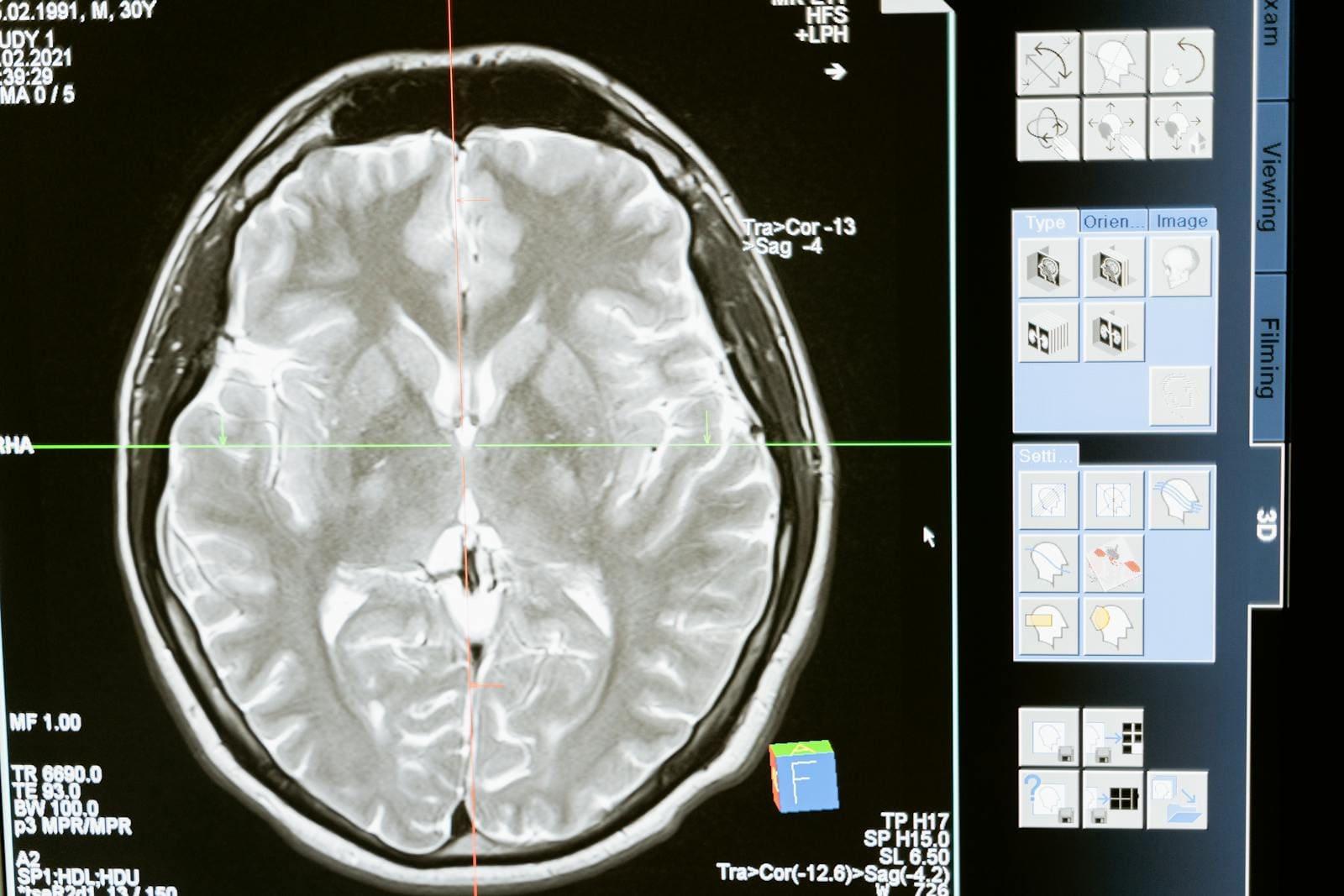
The insurer's decisions about your treatment, capacity and payments lean heavily on your medical record. Building that record is mainly your treating team's job. What helps most is consistency: certificates, clinical notes, scan reports and specialist opinions that line up and show how things have changed since the crash. If one document says you can't lift anything and another mentions gardening, raise it with your doctor so the record explains the difference. Read more on gathering medical evidence for your claim.
- Save every certificate, referral and report in one place, on paper or on your phone.
- Jot down the date of each appointment and what came out of it.
- Take your latest scan and specialist reports to new appointments; don't assume every provider has them.
- Tell each practitioner who else you are seeing, so they can work together.
The insurer may also ask you to attend an independent medical examination at some stage. An IME is arranged and paid for by the insurer and carried out by a doctor outside your treating team, to give another opinion on your diagnosis, capacity or treatment. It is a normal part of many claims and doesn't in itself mean the insurer doubts you. The examiner won't treat you and usually won't discuss conclusions on the day. Keep your own appointments going around it. See what to expect at an independent medical examination.
Bring the basics
Photo ID and the insurer's letter about the appointment, which confirms the format and location.
Take a timeline
A short written list of symptoms, treatment and changes since the crash stops details slipping under pressure.
Be specific and honest
Describe how you typically manage, good days and bad, rather than only your worst day.
Arrive ready
Wear clothes you can move in and arrive on time, as some assessments are tightly scheduled.
Go deeper
Gathering medical evidence for your CTP claim
What good medical evidence looks like in a CTP claim, why consistency matters, and how certificates, imaging, and reports fit together.
Learn more
Independent medical examination (IME): what to expect
What an independent medical examination (IME) is, who arranges it, and how to prepare — explained by a medical service, not the examiner.
Learn moreLocations
Where we see people: Sydney, Newcastle, Wollongong and regional NSW
Care is delivered by telehealth across NSW, or in person at partner sites, with face-to-face visits booked by appointment. We don't publish a list of street addresses; the full address and entry details come when your time is confirmed. Which site suits you depends on your injury, the timing and availability when you book. Our page on how in-person and telehealth care work across NSW explains the arrangements.
- Greater Sydney, from the inner city and Eastern Suburbs to the Hills, Western Sydney, the Sutherland Shire and Macarthur: see CTP doctors in Sydney.
- Hurt on a Sydney road and want a doctor used to crash injuries? Read about car accident doctors in Sydney.
- Newcastle, Lake Macquarie, Maitland, Port Stephens and the Hunter Valley: see CTP care in Newcastle and the Hunter.
- Wollongong, Shellharbour, Dapto and the wider Illawarra: see CTP care in Wollongong and the Illawarra.
- Regional and remote NSW: telehealth reviews save long drives, and your doctor talks through in-person options when an examination is needed.
Not sure which format suits you?
You don't need to work it out alone. When you book an appointment, tell us what the visit is for and we will suggest telehealth or in person. If you would rather come in regardless, that is your choice.
Go deeper

NSW-Wide Care — In Person & Telehealth
CTP Doctor serves people injured in NSW motor vehicle accidents through partner sites and telehealth where clinically appropriate.
Learn moreCTP Doctors in Sydney
See an experienced CTP doctor in Sydney after a car accident. Injury assessment, Certificate of Fitness, and a coordinated treatment plan across Greater Syd…
Learn more
CTP Doctors in Newcastle & the Hunter
CTP doctor in Newcastle and the Hunter after a car accident. Injury assessment, Certificate of Fitness, and coordinated treatment — in person and by telehea…
Learn more
CTP Doctors in Wollongong & the Illawarra
CTP doctor in Wollongong and the Illawarra after a car accident. Injury assessment, Certificate of Fitness, and coordinated treatment — in person and by tel…
Learn more
Been in an accident?
Book an appointment with one of our CTP doctors. We coordinate your care and handle the paperwork.
Frequently asked questions
CTP Doctor is a medical service, not a law firm, and doesn't give legal advice. General information only — for the scheme rules see SIRA or seek legal advice.
Related topics

CTP claims
Who can claim, how to lodge, and what happens after — in plain English.
Read the guide
Car accident injuries
What's common, what can show up days later, and when to get checked.
Read the guideCTP benefits
The kinds of support the scheme provides, and what they depend on.
Read the guide
Legal help & disputes
When the claim gets difficult — and how to get independent legal advice.
Read the guideEverything in this topic
Services
4 pages- See a CTP Doctor: Your First AppointmentWhat happens at your first visit: assessment, Certificate of Fitness, treatment plan, and paperwork sorted.
- CTP Physiotherapy After a Car AccidentPhysio for whiplash, back pain, and soft-tissue injuries under NSW CTP — how approvals usually work.
- CTP Psychology: Mental Health After a CrashAnxiety, PTSD, and depression after an MVA — accessing psychology through your CTP claim.
- CTP Exercise PhysiologyStructured rehab and return-to-activity programs through CTP.
Guides and articles
9 pages- Certificate of Fitness (NSW Motor Accidents)What the certificate is for, who completes the first one vs later ones, how physios and psychologists fit in, and what insurers actually read on the page.
- Why Your Certificate of Fitness Matters More Than You ThinkA Certificate of Fitness sounds like paperwork, but it shapes your treatment access and work capacity record after a crash. Here's why it counts.
- Telehealth CTP appointment: what to expectWhat actually happens in a telehealth CTP appointment, how to prepare, and when your doctor will ask you to come in person instead.
- Telehealth vs In Person for CTP: What Suits WhatCTP Doctor offers both telehealth and in-person appointments across NSW. Here's a practical guide to which type of visit suits which situation.
- Physio, Psychology & Allied Health After a CrashHow coordinated care works with a CTP-focused team.
- Getting Physio, Psychology and Exercise Physiology to Work TogetherPhysio, psychology, and exercise physiology all help after a crash, but only if they're coordinated. Here's how to keep your treatment team aligned.
- CTP treatment approvals explainedHow CTP treatment approvals work in NSW — what insurers look for, why requests get queried, and how to keep treatment moving.
- Gathering medical evidence for your CTP claimWhat good medical evidence looks like in a CTP claim, why consistency matters, and how certificates, imaging, and reports fit together.
- Independent medical examination (IME): what to expectWhat an independent medical examination (IME) is, who arranges it, and how to prepare — explained by a medical service, not the examiner.
Where we see people
5 pages- NSW-Wide Care — In Person & TelehealthCTP Doctor serves people injured in NSW motor vehicle accidents through partner sites and telehealth where clinically appropriate.
- CTP Doctors in SydneySee an experienced CTP doctor in Sydney after a car accident. Injury assessment, Certificate of Fitness, and a coordinated treatment plan across Greater Syd…
- Car Accident Doctors in SydneyInjured in a car accident in Sydney? See a doctor who handles motor vehicle accident injuries every day — assessment, Certificate of Fitness, and coordinate…
- CTP Doctors in Newcastle & the HunterCTP doctor in Newcastle and the Hunter after a car accident. Injury assessment, Certificate of Fitness, and coordinated treatment — in person and by telehea…
- CTP Doctors in Wollongong & the IllawarraCTP doctor in Wollongong and the Illawarra after a car accident. Injury assessment, Certificate of Fitness, and coordinated treatment — in person and by tel…

Get started
Book with a CTP doctor
Often seen within the week. Telehealth across NSW, or in person where appropriate. No claim number needed to start.