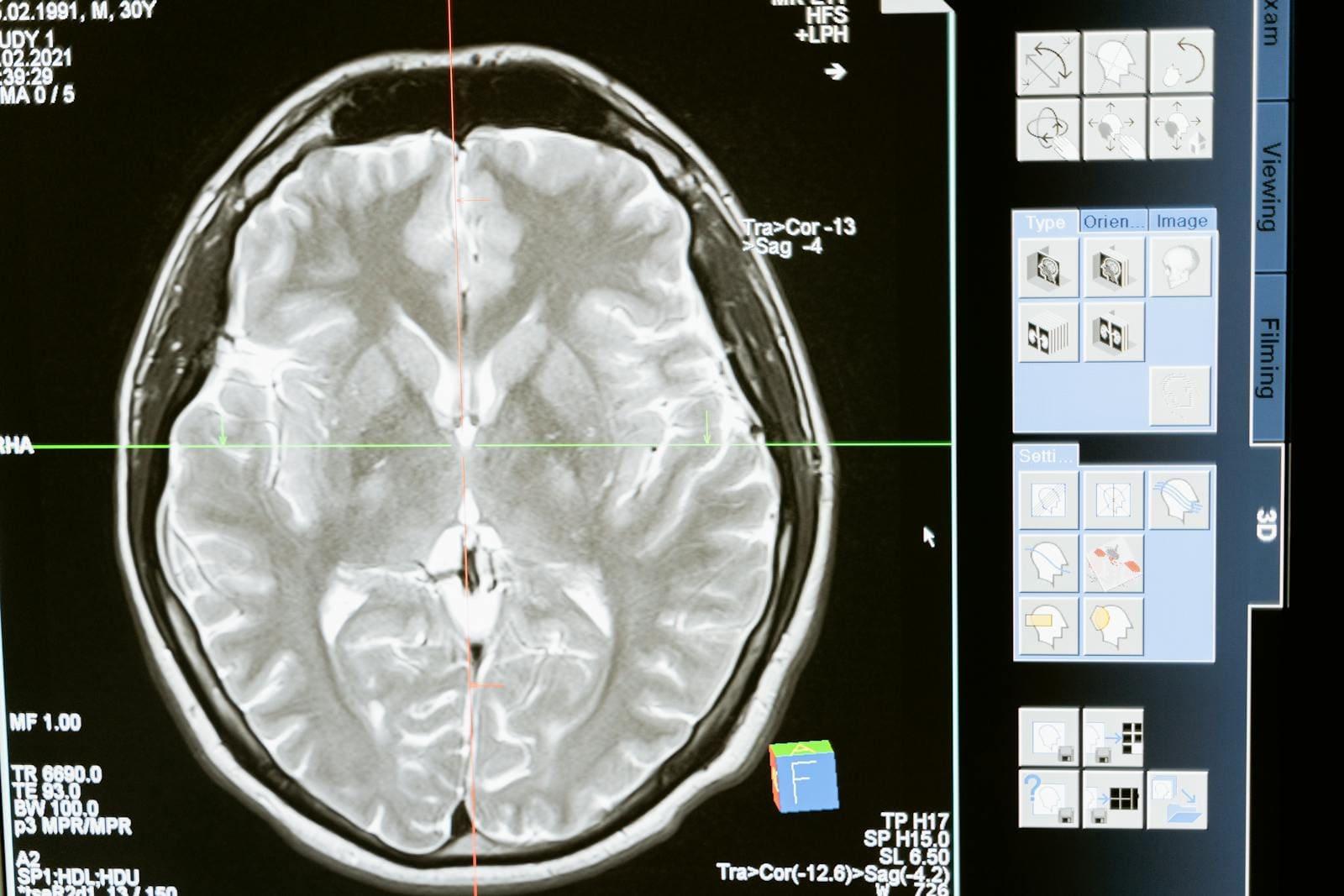
Medical evidence is what your CTP claim is built on. Every decision the insurer makes — about treatment, capacity, weekly payments, or classification — ultimately traces back to what is documented in your clinical record. Strong evidence does not decide a claim on its own, but weak or inconsistent evidence reliably slows things down.
The core pieces of evidence
- Certificates of Fitness, kept current throughout your claim.
- Clinical notes from your GP or specialist describing examination findings, not just symptoms you report.
- Imaging reports where relevant, correlated with your clinical presentation.
- Referral letters and specialist opinions for anything outside general practice.
- A treatment history that shows what has been tried and how you have responded.
Why consistency matters
Insurers read your file as a whole, not one document at a time. If your certificate says you are improving but your treating notes from the same week describe a setback, that inconsistency invites questions and can slow an approval or payment. It is not about hiding bad days — it is about making sure the record reflects them accurately wherever they appear.
The same goes for functional descriptions. If one document says you cannot lift anything and another mentions light gardening, explain the difference (a good day, a specific limited task) rather than leaving it unaddressed.
Documenting change over time
A single snapshot rarely tells the full story. Evidence that shows a trajectory — symptoms at the start, response to treatment, current function — helps the insurer understand where you are and where you are heading, which matters for both treatment approvals and any later questions about classification or capacity.
If recovery is not following the expected pattern, documenting that clearly at each review supports any need for further investigation or a specialist opinion.
When a specialist opinion helps
If your GP suspects something beyond a straightforward soft tissue injury — nerve involvement, a structural finding, or a more complex psychological presentation — a referral to the right specialist can add a formal, detailed opinion that carries weight with insurers, particularly if classification or a disputed treatment request is involved.
Organising your own records
- Keep copies of every certificate, referral, and report you are given.
- Note the date and outcome of each appointment relevant to your claim.
- Bring your most recent imaging and specialist reports to new appointments — do not assume every provider already has them.
- If you see multiple practitioners, mention this to each one so they can coordinate rather than working in isolation.
How CTP Doctor helps build the record
Our doctors take detailed histories, document examination findings clearly, and coordinate with physiotherapy, psychology, and specialists so the record tells one consistent story rather than several disconnected ones. Appointments run by telehealth across NSW, or in person where appropriate — your doctor confirms which suits your injury.
Evidence for psychological injuries
Psychological injuries need their own kind of documentation, and it is easy for this to be thinner than the physical record simply because symptoms are less visible. Clear notes on sleep, mood, anxiety symptoms, avoidance behaviours (such as avoiding driving), and how these affect daily function all help build an accurate picture.
If your GP identifies symptoms that go beyond a short-term stress reaction, a referral to a psychologist or psychiatrist adds a more detailed, structured assessment. As with physical injuries, documenting how symptoms change over time — with treatment, with time, or in response to specific triggers — is more useful than a single description at one point.
Avoiding common evidence gaps
- Long stretches between appointments, which can make it look like treatment or symptoms simply stopped.
- Certificates that describe capacity in general terms instead of specific hours, tasks, or restrictions.
- Imaging or specialist reports that are mentioned but never actually provided to the insurer.
- Employment or income evidence that is out of date once your work situation changes.
Reviewing your own file periodically
It is worth stepping back every so often and asking whether your file, read as a whole, tells an accurate and consistent story. If you were reading it as a stranger, would the diagnosis, the treatment, and the described function line up? If not, that is worth raising with your treating doctor before the insurer raises it first.
This does not need to be a formal exercise — a quick mental check before a review appointment, or a brief conversation with your treating doctor about how things are being documented, is usually enough to catch gaps early.

Been in an accident?
Book an appointment with one of our CTP doctors. We coordinate your care and handle the paperwork.
Official detail: SIRA motor accidents. CTP Assist: 1300 656 919.
FAQs
Talk to a CTP doctor
Book or get a call back
- Telehealth across NSW, or in person
- Certificate of Fitness issued or updated
- No claim number needed
Prefer a call back?