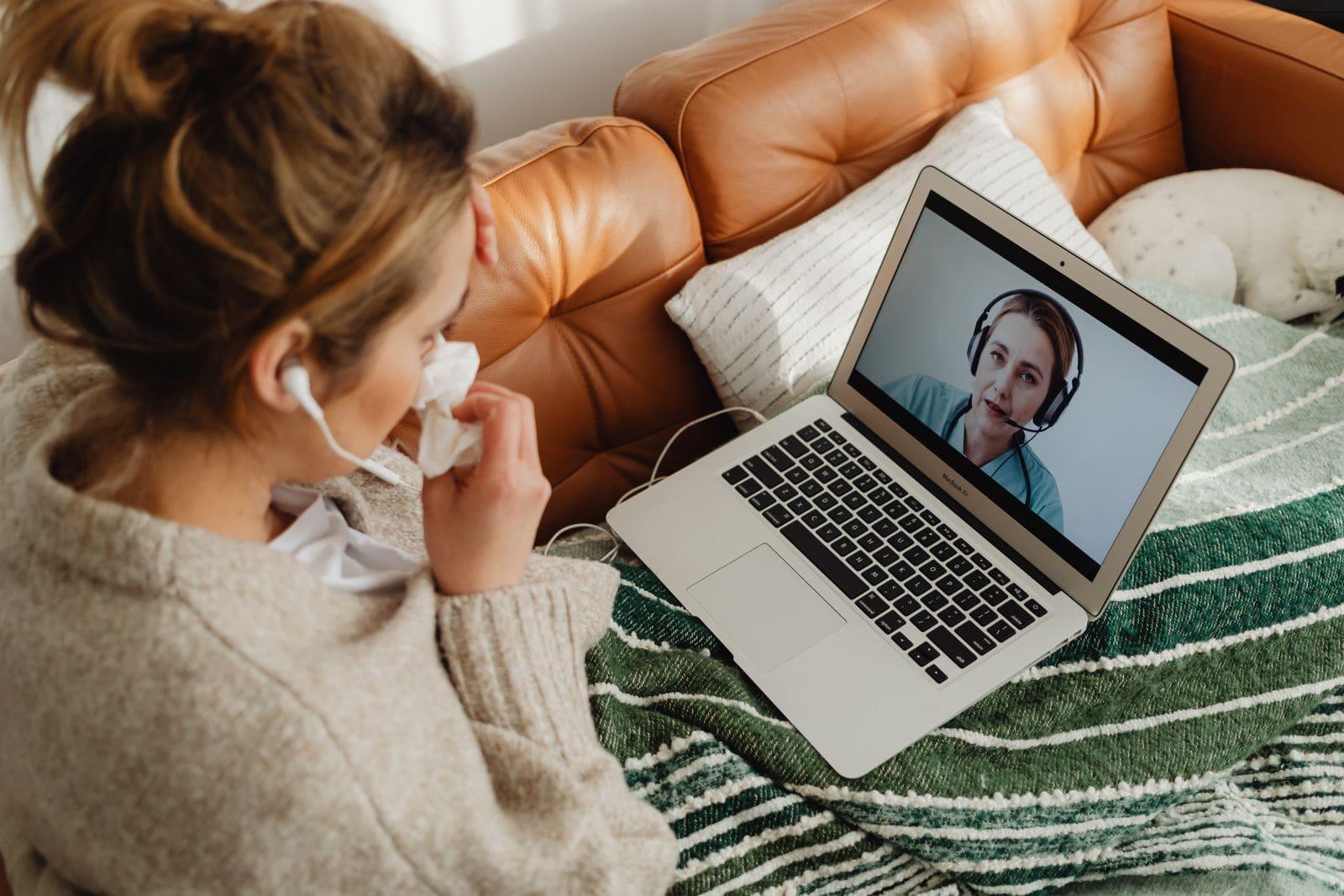
Telehealth has become a normal part of CTP care in NSW, but it is not the only part. CTP Doctor runs a hybrid model — telehealth across NSW, or in person where appropriate — and your doctor decides which suits your injury and stage of treatment, particularly for a first assessment.
This page explains what a typical telehealth appointment involves, how to prepare, and what kinds of assessments usually still need you in the room.
What you need for a telehealth appointment
- A device with a camera and reliable internet — phone, tablet, or computer.
- A private, well-lit space where you can speak openly about your injury.
- Any relevant documents on hand: your claim number, insurer letters, imaging reports, or previous certificates.
- A list of current medications and treatments, if relevant.
What happens during the consultation
Your doctor takes a history the same way they would in person — how the accident happened, your symptoms, how they have changed, and what treatment you have had. Where a physical examination is needed, they will guide you through simple movements on camera or explain what they need to assess in person instead.
By the end, you should understand what was diagnosed or reviewed, what the plan is, and whether a certificate or referral is being issued.
When your doctor will ask you to come in
Some assessments genuinely need hands-on examination — particularly first assessments after an accident, or where the injury involves findings that are hard to assess reliably over video. Your doctor will tell you plainly when this applies and help arrange an in-person appointment where appropriate.
This is not a formality — a proper first examination supports a more accurate diagnosis and a certificate the insurer can rely on, which tends to move your claim along more smoothly.
Certificates and paperwork after a telehealth visit
Certificates of Fitness and other documents issued after a telehealth consultation carry the same weight as ones issued in person, provided the consultation met the relevant clinical and regulatory requirements. Your doctor will send or make these available to you and, where needed, directly to your insurer.
Cost and access
CTP-related treatment is generally accessed through the CTP scheme, not paid by you directly, subject to the usual claim and approval process. Ask about your specific appointment when booking, since arrangements can depend on where your claim is up to.
Getting the most out of a telehealth appointment
- Log in a few minutes early to check your camera and audio.
- Have your claim number and any letters open or nearby.
- Write down your main questions beforehand — it is easy to forget them once the consultation starts.
- Mention if something about your symptoms has changed since your last certificate, even if it seems minor.
Privacy on a telehealth call
Treat a telehealth consultation with the same privacy you would want for an in-person visit. Choose a room where you will not be overheard discussing sensitive details, and let others in the house know you need uninterrupted time. If you are joining from a car, a workplace, or a public space, consider whether that setting allows you to speak freely — if not, it may be worth rescheduling to somewhere more private.
Your doctor uses a secure platform for the consultation, and the same confidentiality rules apply as they would for any medical appointment, whether it happens on screen or in the room.
Telehealth across regional and remote NSW
One of the practical benefits of telehealth is reduced travel, particularly if you live outside a major centre or your injury makes travel uncomfortable. A consultation that would otherwise mean a long drive and time off work can often happen from home, provided the clinical assessment does not require an in-person examination.
Where an in-person visit is genuinely needed — for a first assessment, or a specific physical finding — your doctor will talk through the options with you, including how appointments are scheduled for people travelling from further afield.
Telehealth and ongoing reviews
Once your first assessment and baseline Certificate of Fitness are in place, many follow-up reviews can reasonably happen by telehealth — checking how symptoms and function are progressing, updating a certificate, or discussing results from tests arranged elsewhere. Your doctor will still bring you in whenever the clinical picture calls for a hands-on look.
If a telehealth review raises a new concern — a symptom that needs physical examination, or findings that do not add up over video — expect your doctor to suggest an in-person follow-up rather than guessing. That judgment call is exactly why the hybrid model exists.

Been in an accident?
Book an appointment with one of our CTP doctors. We coordinate your care and handle the paperwork.
Official detail: SIRA motor accidents. CTP Assist: 1300 656 919.
FAQs
Talk to a CTP doctor
Book or get a call back
- Telehealth across NSW, or in person
- Certificate of Fitness issued or updated
- No claim number needed
Prefer a call back?