Injuries
Lower Back Pain After a Car Accident
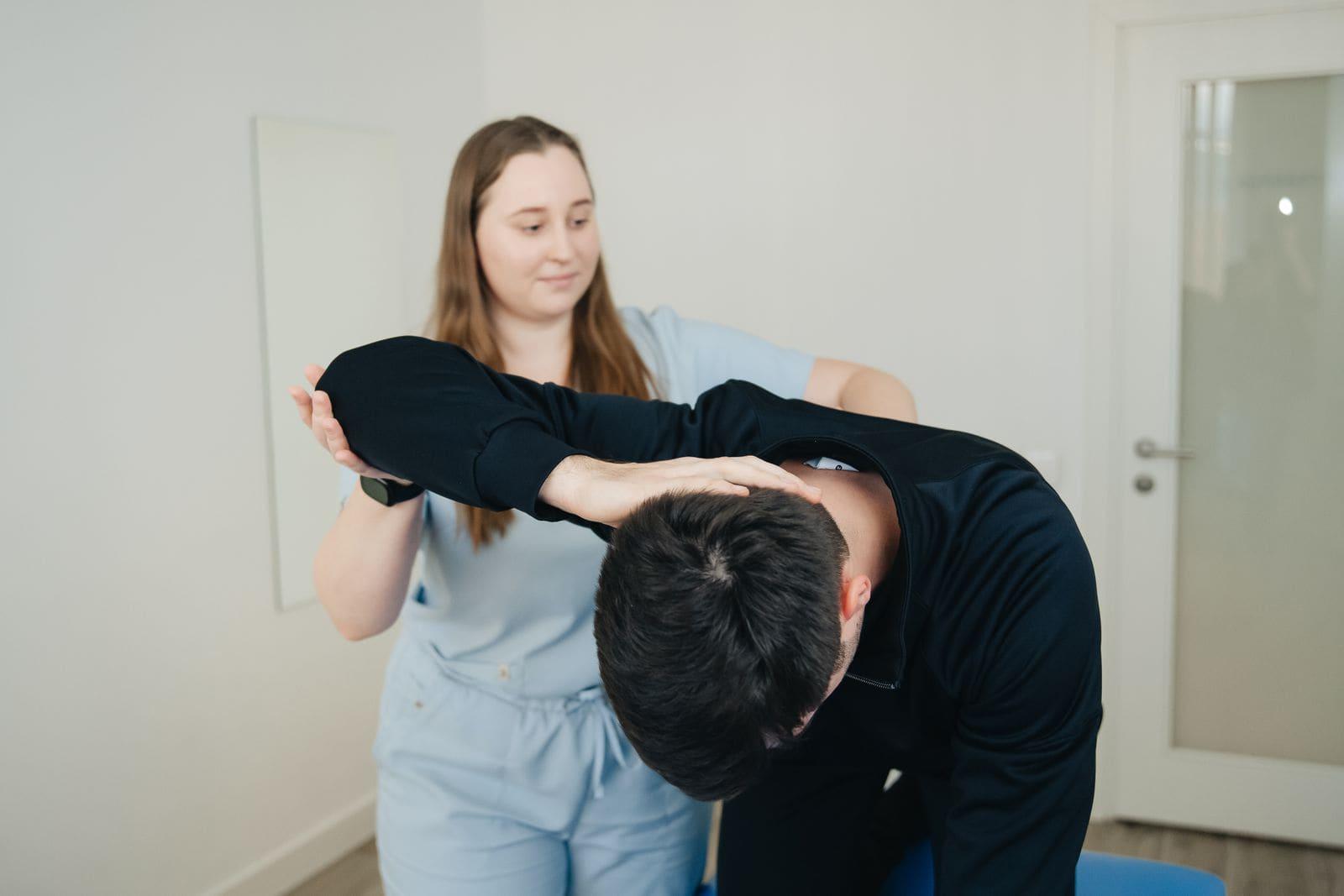
Understanding lower back pain
Lower back pain is one of the most common complaints after a motor vehicle accident, usually caused by muscle strain, ligament sprain or joint irritation in the lumbar spine from bracing, seatbelt loading or the impact itself. It can make sitting for a drive, standing at work or simply getting out of bed uncomfortable, and it sometimes settles slowly or seems to plateau rather than steadily improve. Because lower back pain can come from several different structures — muscle, joint, disc or nerve — an assessment helps work out what is actually driving the pain so treatment is targeted rather than generic. Getting assessed early also creates a clear record for your CTP claim.
Common symptoms
Symptoms can take hours or days to appear after a crash. If you notice any of these, it's worth being assessed.
- Dull or aching pain across the lower back
- Pain that worsens with prolonged sitting or driving
- Stiffness getting out of bed or up from a chair
- Muscle tightness or spasm in the lower back
- Pain that eases with movement but returns with rest
- Difficulty bending, twisting or lifting
- Pain that spreads into the buttock but not further down the leg
Quick check
Not sure if it's serious?
How we help
We assess your lower back pain by telehealth across NSW, or in person where appropriate — your doctor will confirm which suits your injury, and a first assessment generally involves a hands-on examination. We document your symptoms, function and the impact on sitting, driving and work in a way that supports your CTP claim. Where appropriate, we provide the medical certification the scheme requires and arrange imaging if the findings suggest a disc or nerve issue rather than a muscular one. We help coordinate physiotherapy and exercise physiology to build back tolerance for sitting and lifting again. CTP Doctor is a medical service, not a law firm — this is general information, not legal advice, and questions about liability or entitlements are best directed to an independent solicitor.
Treatment approach
- 1CTP medical assessment and Certificate of Fitness
- 2Clinical examination to identify whether pain is muscular, joint-related or disc-related
- 3Document symptoms, function and impact for the CTP claim
- 4Coordinate physiotherapy for manual therapy and graded exercise
- 5Arrange exercise physiology for core strength and lumbar reconditioning
- 6Review progress and escalate to imaging or specialist referral if pain persists
When to see a doctor
Seek assessment if lower back pain is not settling after a week or two, is limiting your ability to sit, drive or work, or is affecting your sleep. Get assessed urgently, or call 000, if you develop numbness in the saddle area, loss of bladder or bowel control, or leg weakness, as these can indicate a serious nerve problem.
Not an emergency? Book an assessment. If symptoms are severe or worsening, call 000.
Related services
Frequently asked questions
Next step
See a CTP doctor about it
Often seen within the week. Telehealth across NSW, or in person where appropriate. No claim number needed to start.