Injuries
Disc Bulge After a Car Accident
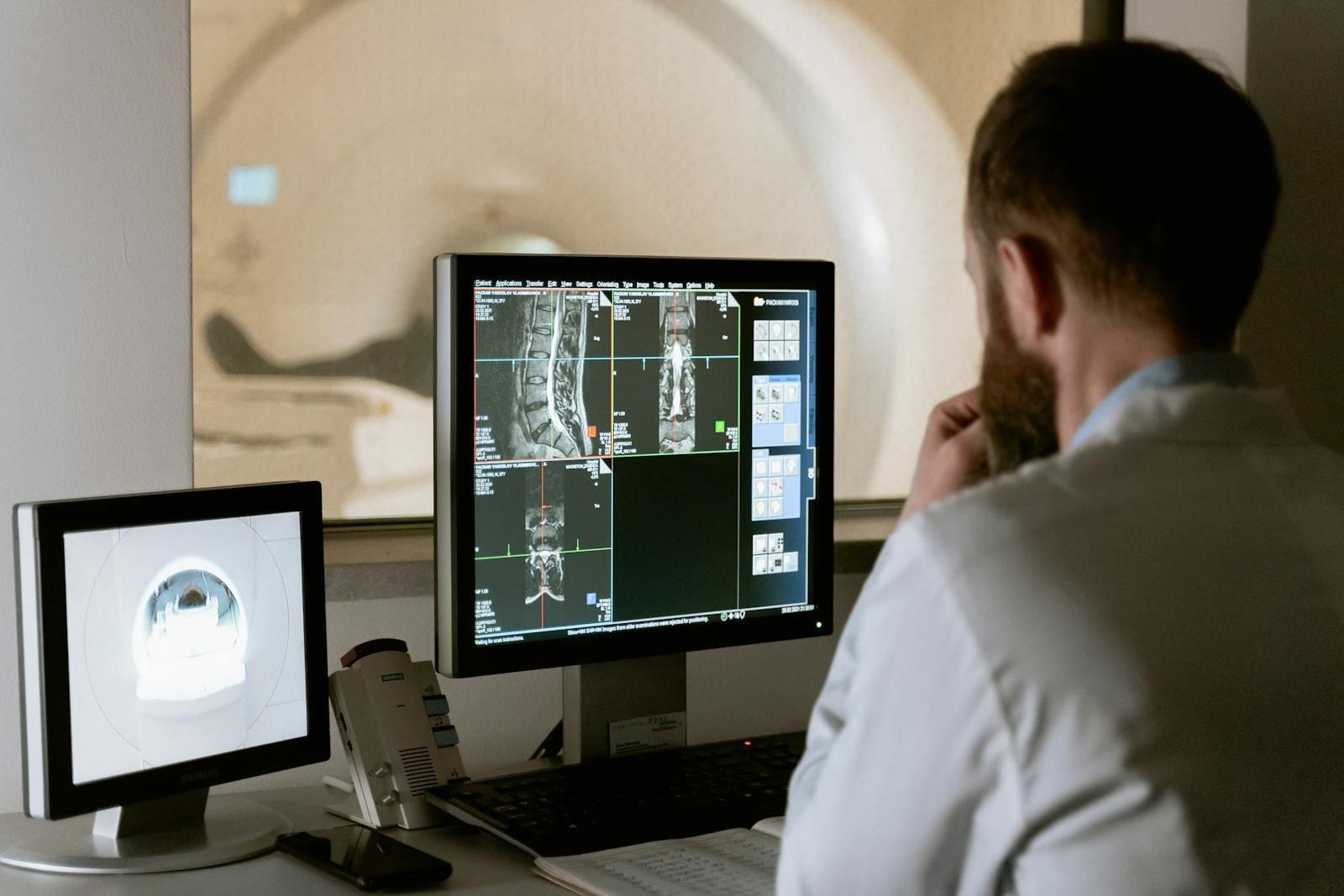
Understanding disc bulge
A disc bulge occurs when the cushioning disc between two vertebrae is pushed out of its normal position, sometimes putting pressure on a nearby nerve. In a motor vehicle accident, this can happen in the neck or the lower back from the sudden forces of impact, bracing or seatbelt loading. Not every disc bulge causes symptoms, and not every case needs surgery, but a bulge that is irritating a nerve can cause pain that radiates well beyond the original injury site, along with numbness, tingling or weakness. Because the treatment for a disc bulge differs from a simple muscle strain, an accurate diagnosis — usually confirmed with imaging — is an important first step.
Common symptoms
Symptoms can take hours or days to appear after a crash. If you notice any of these, it's worth being assessed.
- Deep, localised pain in the neck or lower back
- Pain that radiates into the arm, buttock or leg
- Numbness, tingling or pins and needles following a nerve pattern
- Muscle weakness in the arm, hand, leg or foot
- Pain that worsens with sitting, bending or coughing
- Reduced range of motion in the neck or lower back
- Symptoms that are worse on one side than the other
Quick check
Not sure if it's serious?
How we help
We take a detailed history and perform a neurological examination to assess whether your symptoms are consistent with a disc bulge, then arrange MRI where the findings support it. Assessment can be by telehealth across NSW or in person where appropriate — your doctor will confirm which suits your presentation, noting that nerve-related symptoms often benefit from a hands-on examination. We document the clinical findings and functional impact for your CTP claim, and coordinate physiotherapy or specialist referral depending on severity. Most disc bulges are managed without surgery through structured, progressive treatment. CTP Doctor is a medical service, not a law firm — this is general information, not legal advice, and questions about liability or entitlements are best directed to an independent solicitor.
Treatment approach
- 1CTP medical assessment with neurological screening
- 2MRI referral where a disc bulge or nerve involvement is suspected
- 3Document symptoms, imaging findings and functional impact for the CTP claim
- 4Coordinate physiotherapy for graded movement and nerve mobility
- 5Specialist referral for persistent or worsening nerve symptoms
- 6Ongoing review to track response to treatment
When to see a doctor
Seek assessment if you have neck or back pain with radiating arm or leg symptoms, numbness, tingling or weakness. Get assessed urgently, or call 000, if you develop loss of bladder or bowel control, numbness around the saddle area, or rapidly worsening leg or arm weakness, as these can indicate a serious nerve emergency.
Not an emergency? Book an assessment. If symptoms are severe or worsening, call 000.
Related services
Frequently asked questions
Next step
See a CTP doctor about it
Often seen within the week. Telehealth across NSW, or in person where appropriate. No claim number needed to start.