Across the upper Richmond valley, from Wiangaree to Mallanganee, our CTP doctors assess crash injuries by telehealth and write up your Certificate of Fitness.
Northern Rivers
Car accident doctor for the Kyogle area: CTP injury care
Last updated , 9 min read

Wherever you were hurt in the Kyogle area, one of our CTP doctors can assess you by telehealth, whether you're in town, at Wiangaree or on a cattle property out past Afterlee. At the first consultation the doctor checks each injury, writes down how it ties to the collision and completes the Certificate of Fitness that goes with your claim. We then set out a treatment plan, which can bring in our physios, psychologists or exercise physiologists. The CTP insurer generally pays for treatment that is reasonable and necessary for your accident injuries. It decides what's approved, and its decisions can be reviewed.
The council area is large and thinly settled, with about 9,400 people spread over roughly 3,600 square kilometres, from the Border Ranges down through the upper Richmond and across to Tabulam on the Clarence. Many roads are narrow and hilly, and the Lions Road over the Richmond Gap is single-lane in places. Larger centres such as Lismore and Casino sit outside the area, so a sore neck or back can turn an ordinary drive into a hard one. Telehealth lets care start from home, and where an examination needs to happen in person, we talk the options through with you.
On this page8 sections
Local road safety
Where people are hurt on the roads in the Kyogle area
Casualty crashes in the Kyogle area cluster on the main through routes, Transport for NSW crash data for 2020 to 2024 shows. The Summerland Way leads, ahead of Kyogle Road and the Bruxner Highway, with the Clarence Way next. By locality, Kyogle and Dairy Flat recur most, then Mummulgum, Mallanganee and Cawongla. Most of the record is open-road driving, with about seven in ten crashes in 100 km/h zones. Riders feature strongly: a motorcycle was involved in roughly one in four crashes, and a similar share happened in darkness, when bends and dips are harder to read. Pedestrian crashes were rare. That mix tends to bring neck and back strain from high-speed impacts, and shoulder, wrist and leg injuries among motorcyclists.
| Year | Crashes where someone was hurt | Killed | Seriously injured | All casualties | All recorded crashes (including tow-away crashes) |
|---|---|---|---|---|---|
| 2020 | 30 | 1 | 16 | 38 | 44 |
| 2021 | 31 | 3 | 12 | 39 | 36 |
| 2022 | 21 | 1 | 8 | 24 | 38 |
| 2023 | 39 | 1 | 24 | 45 | 44 |
| 2024 | 37 | 0 | 20 | 47 | 43 |
| 2020 to 2024 | 158 | 6 | 80 | 193 | 205 |
Roads and streets with the most crashes where someone was hurt
- 1.Summerland Way42 crashes
- 2.Kyogle Road24 crashes
- 3.Bruxner Highway21 crashes
- 4.Clarence Way12 crashes
- 5.Afterlee Road7 crashes
Localities where people were hurt most often
Localities as recorded by Transport for NSW. A crash near the council boundary can carry the name of a locality next door.
- 1.Dairy Flat12 crashes
- 2.Kyogle12 crashes
- 3.Mummulgum10 crashes
- 4.Mallanganee8 crashes
- 5.Cawongla8 crashes
Road-user mix. Of the 158 crashes where someone was hurt in 2020 to 2024, 27% involved a motorcycle, 4% a pedestrian, 1% a bicycle and 8% a heavy vehicle (a crash can involve more than one). Crashes in speed zones of 90 km/h or more made up 69% of the total.
Main roads through the Kyogle area
- Summerland Way
- Bruxner Highway
- Clarence Way
- Kyogle Road
- Lions Road
- Mount Lindesay Road
Source: Transport for NSW, NSW Road Crash Data 2020 to 2024 (open data). Casualty crashes by LGA of crash. View the dataset (opens in a new tab)
First steps
After a crash in the Kyogle area: getting checked and recorded

Check that everyone is safe and call triple zero if anyone is hurt. If police didn't come out, tell them about the crash so you have a police event number. Record the other car's plate and the driver's contact details. Out on the Bruxner Highway near Tabulam or the Mount Lindesay Road, photograph the scene and the nearest sign to fix the location. Then have your injuries assessed and written up, even if they feel minor, because soft tissue pain often builds later. Whatever vehicle caused it, its CTP insurer takes the claim and can ask for our consultation notes.
Get safe, then get help
Call 000 if anyone is seriously hurt or in danger. For police attendance when it isn't an emergency, the Police Assistance Line is 131 444.
Report it and keep the event number
Report the crash to police if anyone was hurt, a driver left the scene or a car was towed. Keep the event number: the claim form asks for it.
Swap details and take photos
Get names, phone numbers, licence details and registration plates from every driver, and witnesses' details before they leave. Photograph the scene when it's safe.
See a doctor early
Ideally within a day or two, even if you feel fine. Pain often builds over the following days. An early appointment records your injuries and starts your Certificate of Fitness.
Which CTP insurer handles your claim
You claim with the CTP (green slip) insurer of the vehicle most at fault, worked out from its registration. If that vehicle can't be identified, the claim may go to the Nominal Defendant.
Lodge the claim form
The form is the Application for Personal Injury Benefits, backed by your Certificate of Fitness. Our step-by-step lodging guide walks through it.
Time limits
A claim served within 28 days of the accident can have benefits backdated to the accident date. A common reference point for lodging is three months from the accident. Your circumstances can change the dates, so confirm yours with SIRA or a solicitor.
CTP injury care
Car accident injury care for the Kyogle area: your first appointment
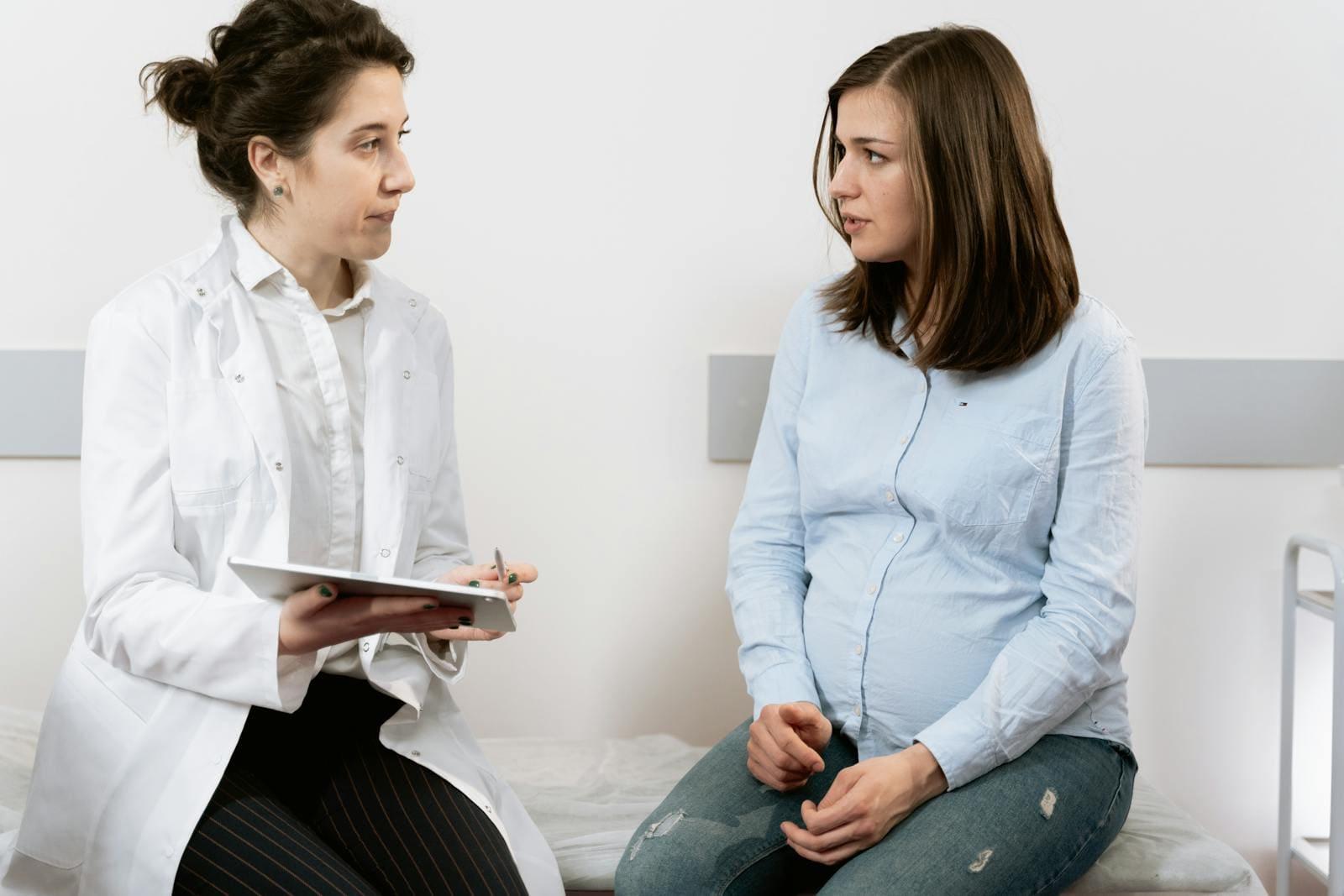
Crashes at country speeds can cause injuries whose full extent takes a while to show, so being seen early helps in two ways. A worsening problem is noticed earlier, and notes written close to the day tie each injury to that stretch of road. The first appointment gives you a careful examination, your Certificate of Fitness, a care plan and the written notes insurers look for. For people in Woodenbong, Old Bonalbo or Mallanganee, telehealth saves a long drive while you're in pain, and we arrange an in-person review when an examination needs one. The local crash pattern shapes what our doctors look for: whiplash and lower back strain from impacts on the Summerland Way and the Bruxner Highway, shoulder and limb injuries in riders, and anxiety about driving winding roads again. If your claim runs into a dispute, we can point you to independent legal help.
Our CTP doctors see people injured in motor vehicle accidents across NSW. The first appointment does four jobs, and each one feeds the claim:
A proper assessment
The doctor takes a history of the crash, examines you and records a diagnosis for each injured area, including the ones that seem minor today.
Your Certificate of Fitness
The main medical document in a NSW CTP claim. It records your injuries, your capacity for work and what you can and can't do. The first one must come from a medical practitioner, and each one generally covers up to 28 days, so it's renewed as you recover. See what a Certificate of Fitness should include.
A treatment plan
What you need next, such as physiotherapy, psychology or exercise physiology, with clear reasons the insurer can act on.
The records the insurer asks for
Dated notes, referrals and reports that link your symptoms to the crash. Insurer decisions lean on them, so they need to be specific.
More detail: the CTP medical assessment, and physiotherapy, psychology and exercise physiology under CTP.
CTP injury care
Common injuries after crashes in the Kyogle area
Every crash is different, but some injuries come up again and again after car crashes. Many don't show their full extent on the day:
- Whiplash and other neck injuries, common after rear-end collisions.
- Back injuries and other soft-tissue injuries: sprains and strains that stiffen over the following days.
- Fractures: most are obvious, but some in the wrist, foot or ribs are subtle and need imaging to confirm.
- Concussion and headaches, which can happen without a direct blow to the head.
- Psychological injury, such as anxiety about driving, poor sleep or flashbacks.
Our guide to car accident injuries and their symptoms covers the warning signs.
The road-user mix above shows who else gets hurt on the roads in the Kyogle area. Each of these groups has its own injury pattern:
Motorcycles
Riders have little protection, so fractures and wrist, knee and ankle injuries are more common. See motorcycle accidents in NSW.
Heavy vehicles
Crashes with trucks involve more force, so injuries tend to be more serious, and the shock can linger. See psychological injury.

Been in an accident?
Book an appointment with one of our CTP doctors. We coordinate your care and handle the paperwork.
CTP-experienced doctorsCoordinated allied healthOne team
Book an AppointmentCTP benefits
What CTP pays for, and weekly payments
Approved treatment is generally arranged through the CTP scheme rather than paid by you directly. Depending on your injuries, it can include:
- Appointments with our CTP doctors, and specialist care where it's needed.
- Physiotherapy, psychology and exercise physiology with our allied health team.
- X-rays, scans and other imaging when they're clinically justified.
- Medication prescribed for your accident injuries.
- Reasonable travel to approved treatment, where the insurer agrees. Check its process first.
If your injuries stop you working, or cut your hours, weekly payments may be paid where the scheme rules allow. The amount is based on your pre-accident earnings, it steps down at set points, and there's a cap. Your Certificate of Fitness records your capacity for work, so keep it current. Being mostly at fault, or having an injury classified as minor, shortens how long some benefits run. See CTP weekly payments, minor vs non-minor injury and CTP benefits in NSW.
Booking
Telehealth or in person: how to book

Distances in the Kyogle area can be long, and a sore neck or back makes every kilometre feel longer. Telehealth means you can see one of our CTP doctors from home. Where an in-person examination is needed, we'll talk through the options when you book.
Book online or call
Use the booking form or call (02) 7238 7379.
We confirm by phone
We call to confirm the time, whether it's telehealth or in person, and what to bring.
Bring what you have
Photo ID, the police event number, a claim number if you already have one, any scans or hospital letters, and a list of your medications.
New to telehealth? Here's what to expect from a telehealth CTP appointment.
Around the area
Suburbs and towns across the Kyogle area
These are some of the suburbs and towns in the Kyogle area. We see people from all of them.
- Kyogle
- Tabulam
- Woodenbong
- Bonalbo
- Old Bonalbo
- Cawongla
- Barkers Vale
- Wiangaree
- Mummulgum
- Mallanganee
- Grevillia
- Afterlee
- Geneva
- Dyraaba
- Sextonville
- Rukenvale
- Homeleigh
Neighbouring council areas: Tenterfield, Richmond Valley, Lismore, Tweed, Clarence Valley. The council area also borders Queensland.
Frequently asked questions
Yes. Our doctors see people across NSW by telehealth, so your first consultation can happen from home in Woodenbong, Old Bonalbo or Tabulam. The doctor assesses your injuries, completes the Certificate of Fitness and puts together a treatment plan. If something needs a hands-on examination, we'll work out with you where that can happen. A phone or video consultation also suits people who find sitting in a car painful after a crash.
Everything that hurts, even if it seems small. Riders often have shoulder, wrist, knee and ankle injuries, along with grazes, bruising and back or neck strain that can worsen after the first day or so. A knock to the head needs checking even if your helmet took the hit. Our doctors assess and record each injury, which matters for your care and for your claim. You can still claim if you were partly to blame for the crash, although that can change what the insurer pays.
It may, but approval isn't automatic. Physiotherapy can be funded when it's reasonable and necessary for your accident injuries, and the insurer makes that call. Our physios work to a treatment plan with clear goals, and we give the insurer the information it needs to consider each request. If something is declined, the decision can be reviewed. If you're out at Wiangaree or Grevillia, you can start with telehealth physio for exercises and advice, with hands-on care arranged where it's needed and practical.
No. You can book before you've lodged a claim. The Certificate of Fitness from your first appointment is one of the documents your claim needs, so the appointment often comes first.
Sources
- Transport for NSW: NSW Road Crash Data (open data) (opens in a new tab)
- SIRA: Motor accidents and CTP (green slip) information (opens in a new tab)
- SIRA: Certificates of fitness for motor crash injuries (opens in a new tab)
- SIRA: What you can claim, medical expenses (opens in a new tab)
- NSW Legislation: Motor Accident Injuries Act 2017 (opens in a new tab)
About the area
- Wikipedia: Kyogle Council (opens in a new tab)
- ABS 2021 Census QuickStats (opens in a new tab)
- Wikipedia: Kyogle (opens in a new tab)
- Wikipedia: Tabulam (opens in a new tab)
- Wikipedia: Woodenbong (opens in a new tab)
- Wikipedia: Kyogle railway station (opens in a new tab)
- Wikipedia: Summerland Way (opens in a new tab)
- Wikipedia: Lions Road (opens in a new tab)
Last checked:
General information, not legal advice. CTP Doctor is a medical clinic, not a law firm or an insurer, and this page isn't medical advice for your situation. For the scheme rules, see SIRA.
Keep reading
Guides for every stage of a CTP claim

CTP claims
Who can claim, how to lodge, and what happens after — in plain English.
Read the guide
CTP treatment
Our doctors assess you, write the Certificate of Fitness and plan the rest of your care.
Read the guide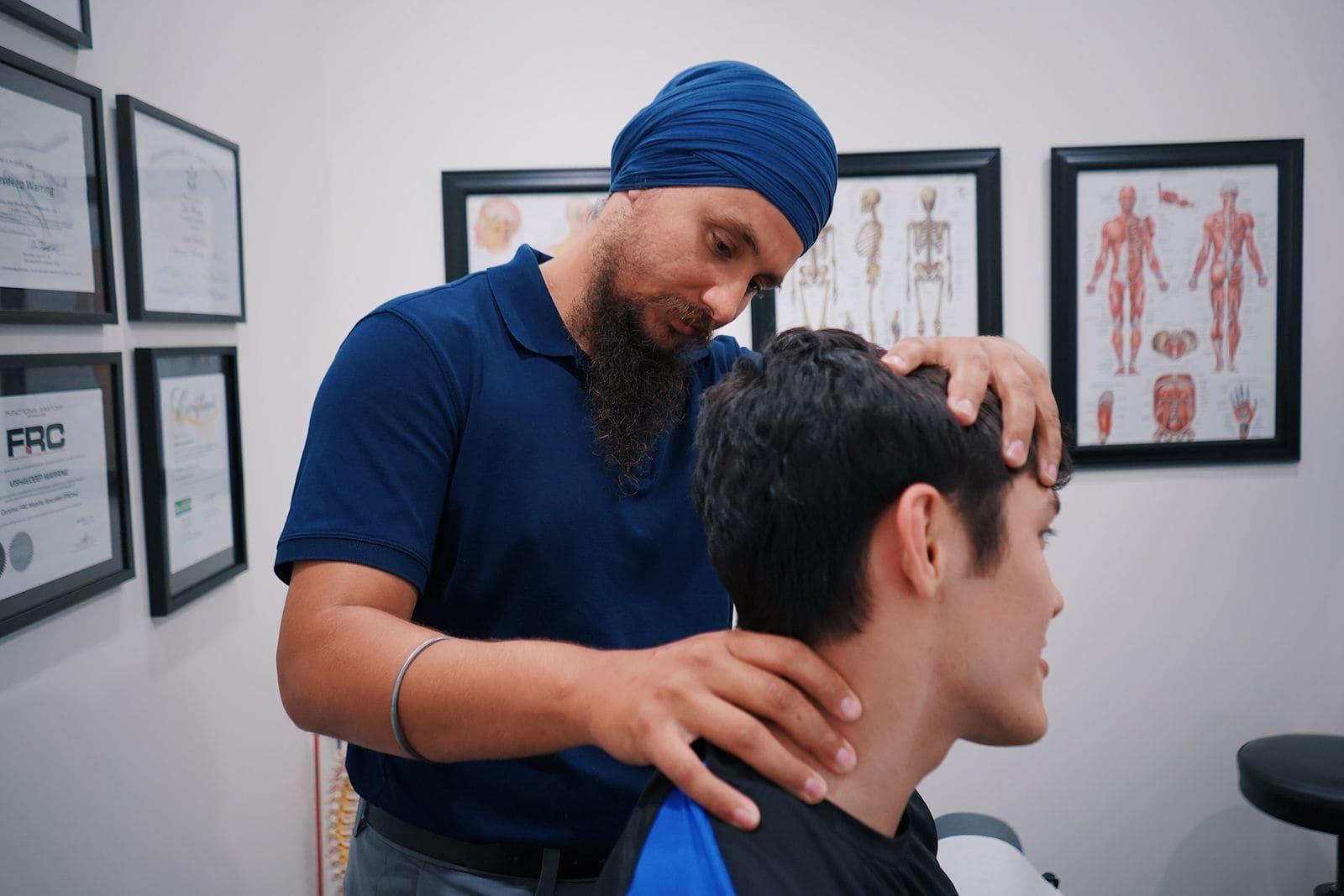
Car accident injuries
What's common, what can show up days later, and when to get checked.
Read the guide
CTP benefits
The kinds of support the scheme provides, and what they depend on.
Read the guide
Legal help & disputes
When the claim gets difficult — and how to get independent legal advice.
Read the guide
Next step
See a CTP doctor after a crash in the Kyogle area
Often seen within the week. Telehealth across NSW, or in person where appropriate. No claim number needed to start.