Injuries
Headaches After a Car Accident
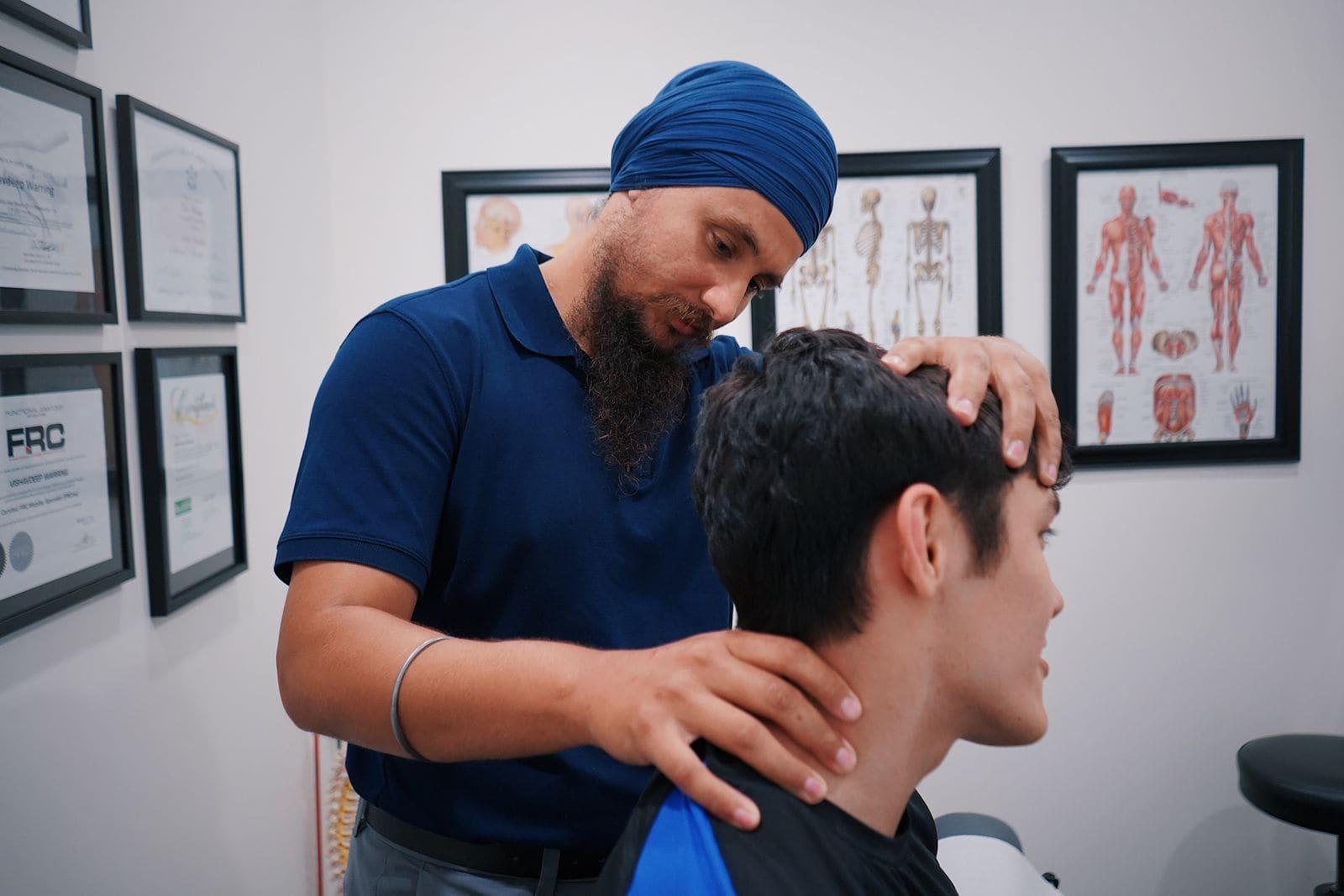
Understanding headaches after a car accident
Headaches are one of the most common symptoms reported after a motor vehicle accident, and they can come from several different sources. Cervicogenic headaches originate from the neck and are often felt at the base of the skull or behind the eyes, tension-type headaches relate to muscle tightness in the neck and shoulders, and headaches can also be a feature of concussion or jaw injury. Because the underlying cause shapes the right treatment, working out where a headache is coming from is an important part of assessment. Headaches that are new, persistent or unusual for you after an accident should always be checked rather than managed with pain relief alone.
Common symptoms
Symptoms can take hours or days to appear after a crash. If you notice any of these, it's worth being assessed.
- Headache at the base of the skull or radiating from the neck
- Headache behind or around the eyes
- Headache that worsens with neck movement or poor posture
- Pressure or tightness across the forehead or temples
- Headache accompanied by neck stiffness
- Sensitivity to light or noise during a headache
- Headaches that are more frequent or severe than before the accident
Quick check
Not sure if it's serious?
How we help
We take a detailed history of your headache pattern and assess the neck, jaw and any signs of head injury to identify the likely source, by telehealth across NSW or in person where appropriate. We document your symptoms and their impact for your CTP claim, and screen for warning signs that need urgent review. Depending on the cause, we coordinate physiotherapy for cervicogenic headaches, refer for jaw assessment where relevant, or arrange further review for concussion-related headaches. CTP Doctor is a medical service, not a law firm — this is general information, not legal advice, and questions about liability or entitlements are best directed to an independent solicitor.
Treatment approach
- 1CTP medical assessment including neck, jaw and neurological screening
- 2Screen for warning signs and direct to urgent care where indicated
- 3Document headache pattern, triggers and impact for the CTP claim
- 4Coordinate physiotherapy for neck-related and cervicogenic headaches
- 5Referral for jaw assessment or further review where relevant
- 6Ongoing review to track frequency and severity over time
When to see a doctor
Seek urgent medical care, or call 000, for a sudden, severe headache unlike any you have had before, a headache with vision changes, confusion, weakness, slurred speech or vomiting, or a headache that keeps getting worse. For ongoing or recurring headaches after a crash, a telehealth or in-person assessment can help identify the cause and guide treatment.
Not an emergency? Book an assessment. If symptoms are severe or worsening, call 000.
Related services
Frequently asked questions
Next step
See a CTP doctor about it
Often seen within the week. Telehealth across NSW, or in person where appropriate. No claim number needed to start.