Injuries
Knee Injuries After a Car Accident
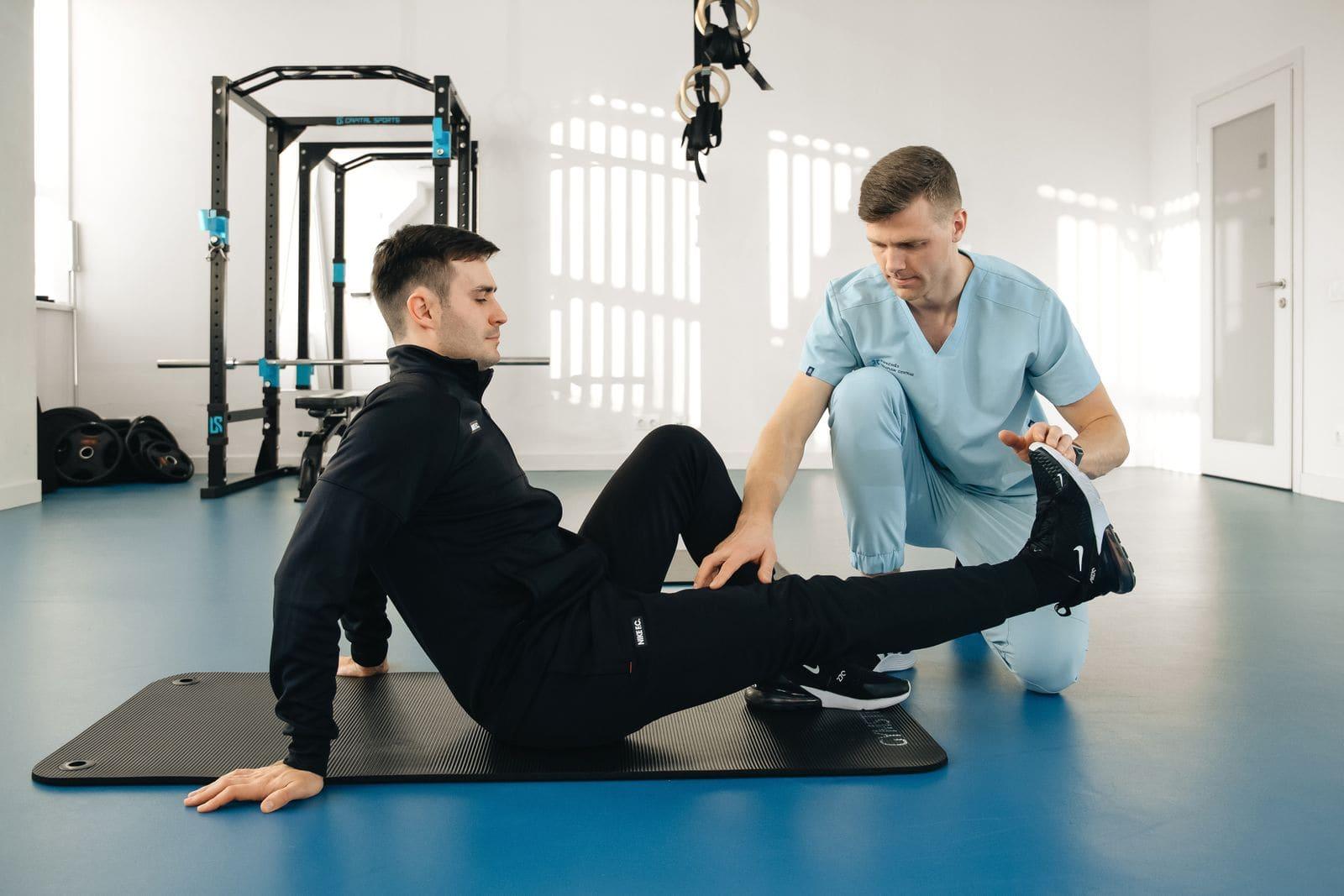
Understanding knee injury
Knee injuries are common in motor vehicle accidents, often caused by the knee striking the dashboard or by twisting forces during a collision. People may sustain ligament damage, meniscus tears, fractures or soft-tissue injury, which can affect walking, driving and returning to work. Symptoms sometimes develop or worsen in the days after the accident, so what feels like a minor knock can prove more significant. Early assessment helps clarify the injury, guide treatment and create a clear record for a CTP claim.
Common symptoms
Symptoms can take hours or days to appear after a crash. If you notice any of these, it's worth being assessed.
Pain at the front, side or back of the knee
Swelling or a feeling of fullness around the joint
Instability or the knee giving way
Locking or catching when bending the knee
Difficulty fully straightening or bending the leg
Bruising over the knee or shin
Pain when weight-bearing, walking or using stairs
Clicking or grinding sensations with movement
Quick check
Not sure if it's serious?
How we help
We assess your knee injury by telehealth and document its nature and impact in a way that supports your CTP claim. Where appropriate, we provide the medical certification the scheme requires and help coordinate physiotherapy and exercise physiology to support recovery. We can guide you through the relevant paperwork and notifications so the process is clearer. Our focus is the medical side; questions about liability or compensation are best directed to a solicitor.
Treatment approach
CTP medical assessment and Certificate of Fitness
Clarify the suspected injury and arrange imaging or specialist referral where indicated
Document symptoms, function and impact for the CTP claim
Coordinate physiotherapy for strength, range of motion and stability
Arrange exercise physiology to support a safe return to activity
Review progress and adjust the plan as recovery allows
When to see a doctor
Seek assessment if your knee is swollen, unstable, very painful or you cannot bear weight comfortably. Sudden locking, an inability to straighten the knee, or a knee that repeatedly gives way warrants prompt review. Early assessment can prevent a manageable injury from becoming a longer-term problem.
Not an emergency? Book an assessment. If symptoms are severe or worsening, call 000.
Frequently asked questions
Next step
See a CTP doctor about it
Often seen within the week. Telehealth across NSW, or in person where appropriate. No claim number needed to start.